This project investigates how well different AI and machine
learning models can extract and use sentiment from financial text data,
such as conference calls or other corporate communications. We will
build and compare a range of models (e.g. dictionary-based, traditional
ML, and modern deep learning/NLP approaches) for measuring sentiment at
the firm level. Using these sentiment measures, we will conduct
cross-sectional empirical tests to see how they relate to financial
outcomes such as earnings reports forecasts. The project combines
computer science and finance expertise, with a focus on proving which
models are most effective in a financial setting. The ultimate goal is
to produce a publishable study that both advances academic understanding
and demonstrates practical applications of AI-driven sentiment analysis
in financial markets.
Where to find it
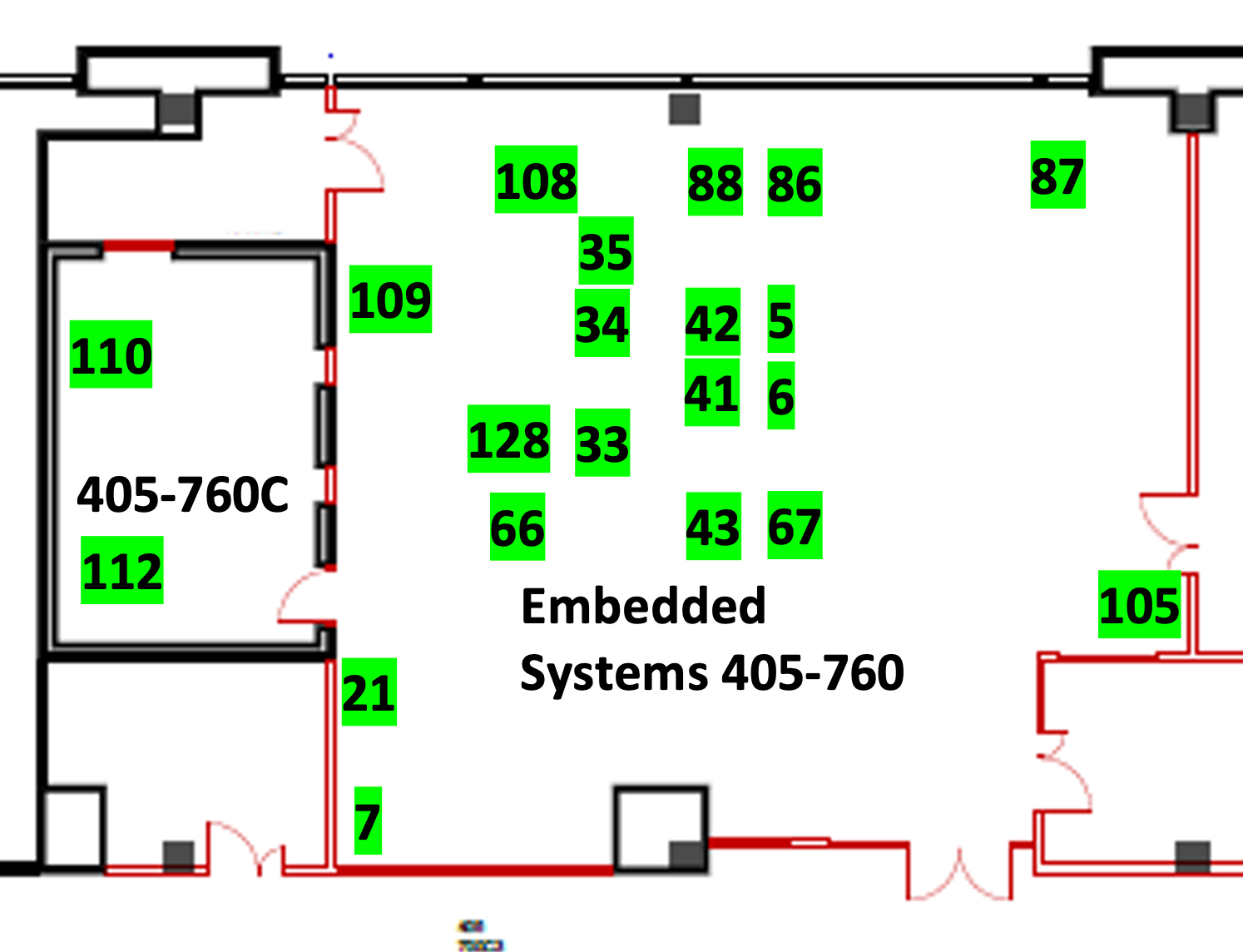
Embedded Systems (405.760)
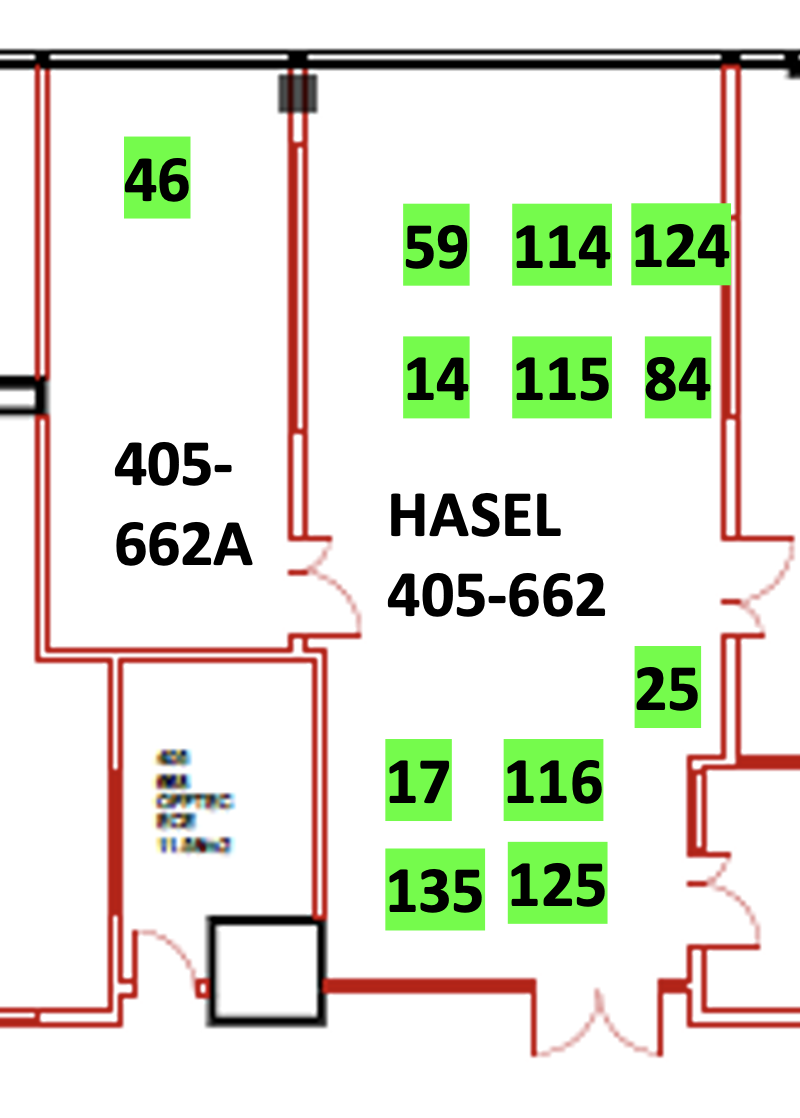
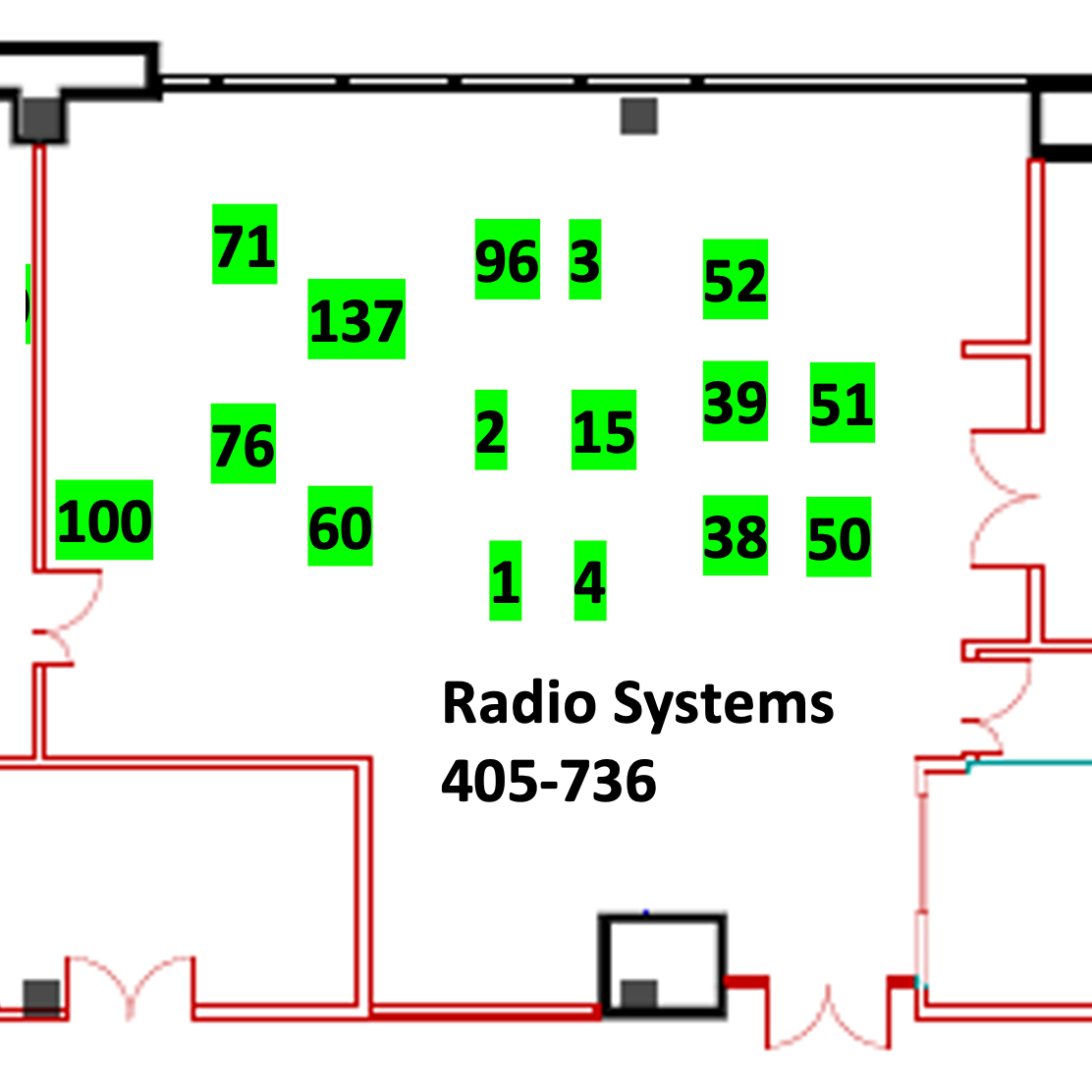
Look for 1 on the floor plan.
Michael Boyer and Taewon Yun
Category
Robotics
Supervisor
Henry Williams
Co-supervisor
Trevor Gee
Location
Robotics (405.652)
About this project
The Formula SAE competition is introducing an autonomous vehicle category for the control of the Formula SAE cars. To meet this challenge, we seek to develop a fully autonomous control system that enables the car to learn to drive itself through Reinforcement Learning. Reinforcement Learning is a machine learning approach that enables a robot to learn to operate autonomously based on its interactions with the environment, without requiring human input or control.
Prior work has developed a method for enabling a Formula SAE car to autonomously navigate through reinforcement learning-based control on both a simulated F1Tenth race car and in the real world (https://github.com/UoA-CARES/autonomous_f1tenth). This project will extend this work to enable learning to race against opponents' cars through multi-agent learning - a critical but deceptively challenging task for autonomous vehicles.
This project will require strong programming skills, specifically in Python, and will require students to visit the robotics lab frequently to work on the project. This project is not suitable for remote development due to the requirement of working with and testing on the physical vehicle. Prior experience with Pytorch or ROS (1 or 2) would be beneficial but not required, as we will teach you those tools as part of the project.
This project is part of the Robot Learning Team (https://robotlearningteam.org/)
Where to find it
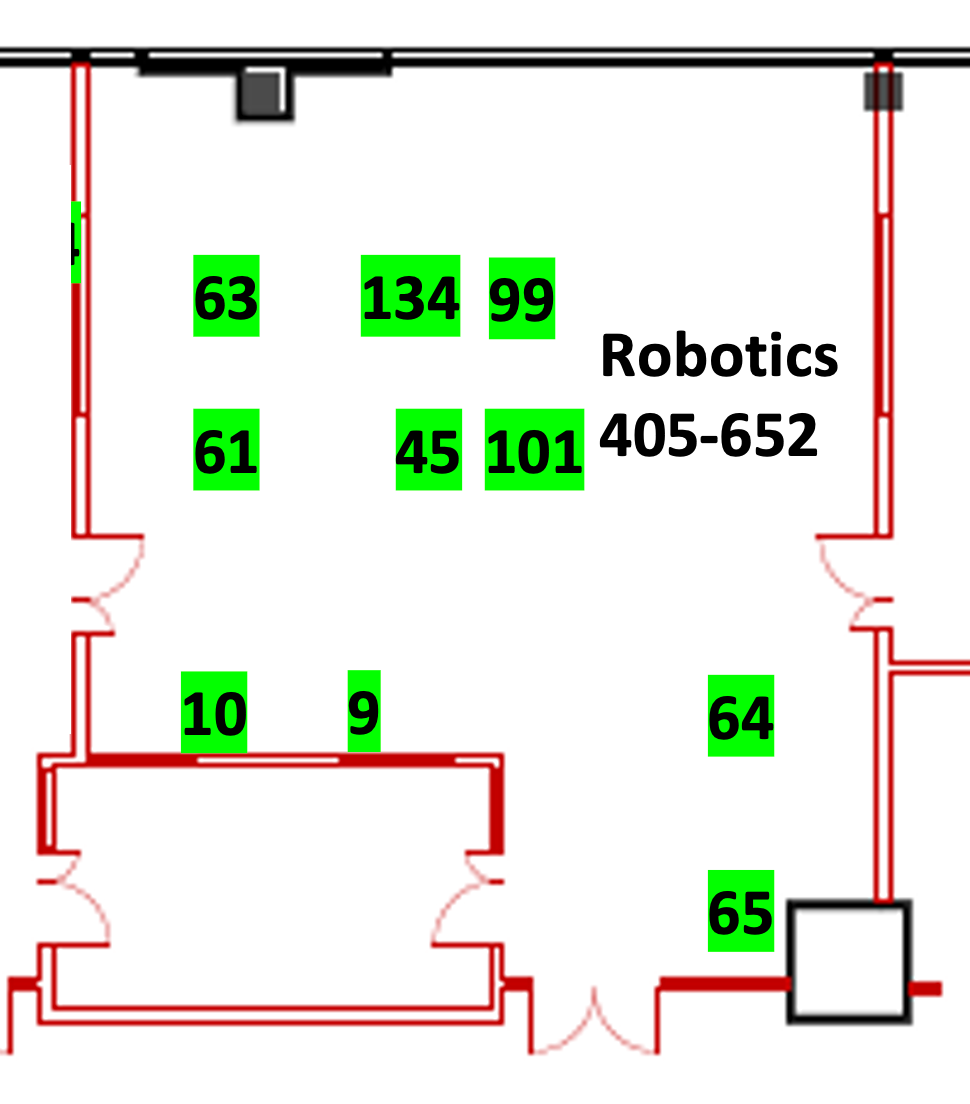
Robotics (405.652)
Look for 2 on the floor plan.
Ken Deng and Zhiyuan Fu
Category
Robotics
Supervisor
Avinash Malik
Location
Embedded Systems (405.760)
About this project
In this project students will develop AI models for path following, object detection and avoidance for autonomous vehicles. The resultant models will be compared against current state of the art algorithmic techniques. The vehicular data along with the current state-of-the-art models will be provided by a world leading NZ company developing autonomous vehicles.
Where to find it
Embedded Systems (405.760)
Look for 3 on the floor plan.
Ryan Lee and Calvin Nair
Category
AI & Machine Learning A
Supervisor
Avinash Malik
Location
Embedded Systems (405.760)
About this project
Spiking neural networks (SNNs) are a unique type of neural network inspired by the human brain. Unlike traditional aritificial neural networks (ANNs), SNNs train on encoded input data. Input data is usually encoded as trains of spikes (1s and 0s). SNNs usually consume less power, for training and inference, compared to traditional ANNs. Hence, SNNs should be well suited for very large neural compute techniques like LLMs. However, SNNs are difficult to train, because of non-differentiable nature, i.e., standard well known back propagation techniques are difficult to apply for training SNNs.
In our group, we have come up with novel SNNs models that overcomes the problem of training SNNs. Using our technique one can use standard back propagation for training SNNs. This makes SNNs now a viable solution for replacement of traditional ANNs.
This work aims to develop hardware implementation of our developed novel SNN model -- called the MAP neuron.
Where to find it
Embedded Systems (405.760)
Look for 4 on the floor plan.
Uday Jain and Kartik Malik
Category
AI & Machine Learning A
Supervisor
Waleed Abdulla
Location
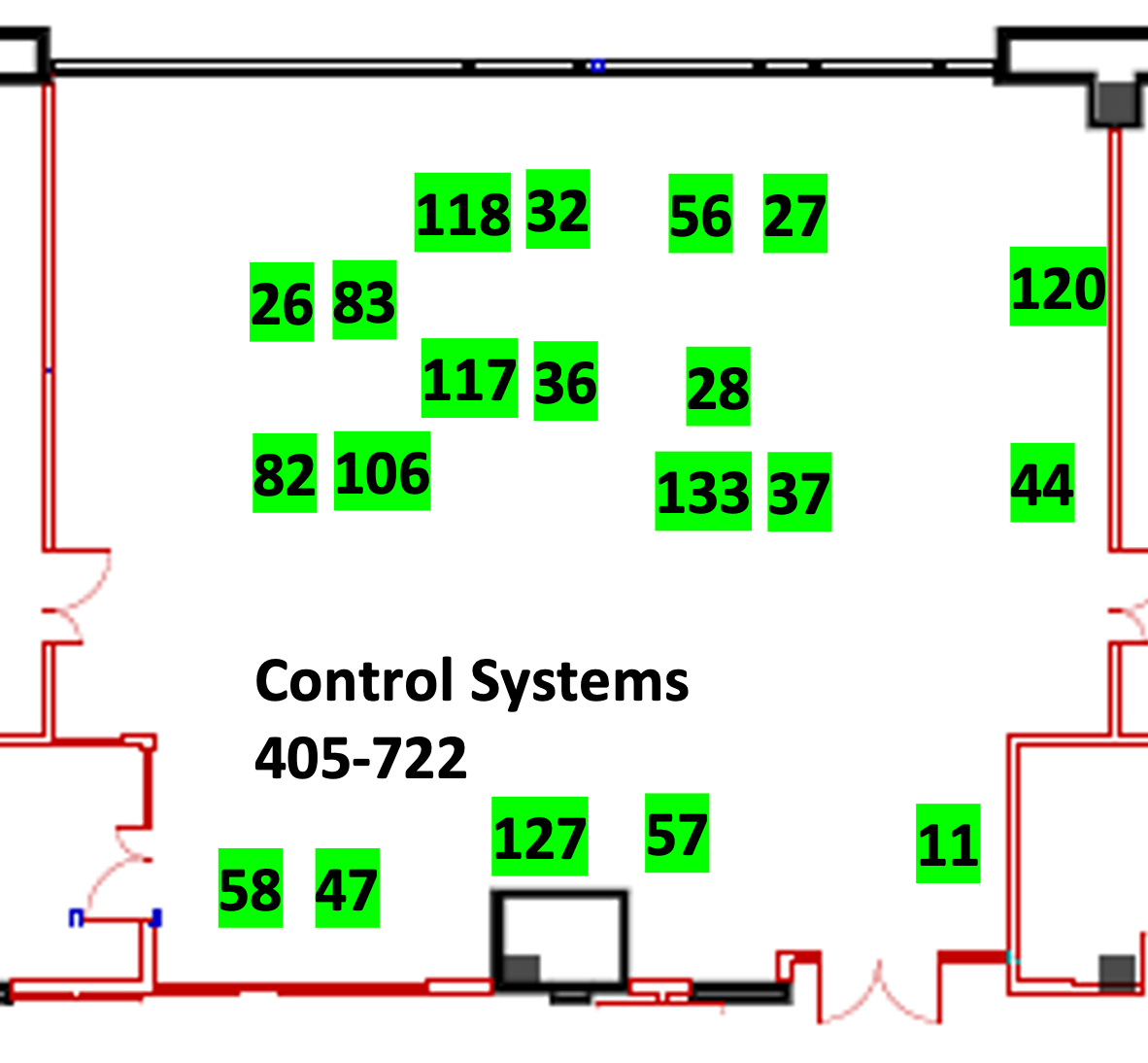
Control & Signal Processing (405.722)
About this project
A. Project Details
Build a modern self-supervised learning + segmentation pipeline that learns from abundant unlabelled images, then fine-tunes with limited labelled masks to achieve strong biomedical image segmentation performance.
What you will build
· A reproducible training pipeline with two phases: (1) self-supervised pretraining of a U-Net encoder using Barlow Twins, (2) supervised fine-tuning for segmentation.
· A benchmarking suite that evaluates performance under low-label regimes (e.g., 5%, 10%, 20%, 50% labelled data).
· Clear quantitative metrics (Dice/ precision) and qualitative visualisations of predicted masks vs ground truth.
· A clean, professional repository suitable for showcasing and presenting as a compendium (configs, scripts, documentation, results).
· A strong research portfolio: end-to-end system plus rigorous evaluation and reporting.
· Realistic, high-impact application domain: medical imaging and decision support.
· Balanced for CSE/SE students: deep learning experimentation + strong software/systems engineering.
Expected time commitment
Two semesters. Semester 1 focuses on a working baseline and reproduction; Semester 2 focuses on extensions and rigorous evaluation.
B. Supervisor/internal detailed proposal
1) Project rationale and objectives
Segmentation requires dense annotations that are costly in biomedical domains. The paperhttps://arxiv.org/abs/2112.03916motivates self-supervised pretraining (Barlow Twins redundancy reduction) to explore unlabelled images and improve data efficiency during supervised fine-tuning. This project operationalises the approach into a robust, reproducible engineering artefact and evaluates it rigorously under low-label conditions.
Primary objectives
· Implement a BT-Unet-style pipeline (pretrain encoder with Barlow Twins; fine-tune for segmentation).
· Establish strong supervised baselines and perform fair comparisons.
· Quantify gains under low-label settings and document where/why the method helps.
· Deliver a maintainable codebase with reproducibility, automation, and clear reporting.
2) Scope and methodology
2.1 Dataset strategy
· Select 1–2 public biomedical segmentation datasets suitable for U-Net benchmarking.
· Define controlled labelled/unlabelled splits to simulate low-label regimes.
· Standardise preprocessing, augmentations, and resolution for fair comparisons.
2.2 Baselines
· Supervised U-Net trained from scratch under each labelled fraction (primary baseline).
2.3 BT pretraining + fine-tuning
· Implement Siamese pretraining for the encoder with Barlow Twins loss (cross-correlation regularisation).
· Fine-tune the complete segmentation network using established segmentation losses (e.g., BCE + Dice).
· Ensure consistent training/evaluation protocols across baselines.
5) Evaluation protocol
· Metrics: such as Dice and precision (plus recall/F1 where informative).
· Qualitative: overlay masks on images; error case gallery.
· Fairness: identical data splits and augmentations for comparable runs.
6) Risk register and mitigations
· Compute constraints → Use smaller backbones/patch sizes; prioritise fewer datasets with stronger methodology.
· Time management → Semester 1 focuses on pipeline correctness; Semester 2 expands scope with clear gating.
· Data complexity → Start with one dataset; add a second only after the baseline and BT pipeline are stable.
Where to find it
Control & Signal Processing (405.722)
Look for 5 on the floor plan.
Abhishek Dey and Mohammad Tousif Kabir
Category
Power Systems
Supervisor
Abhisek Ukil
Location
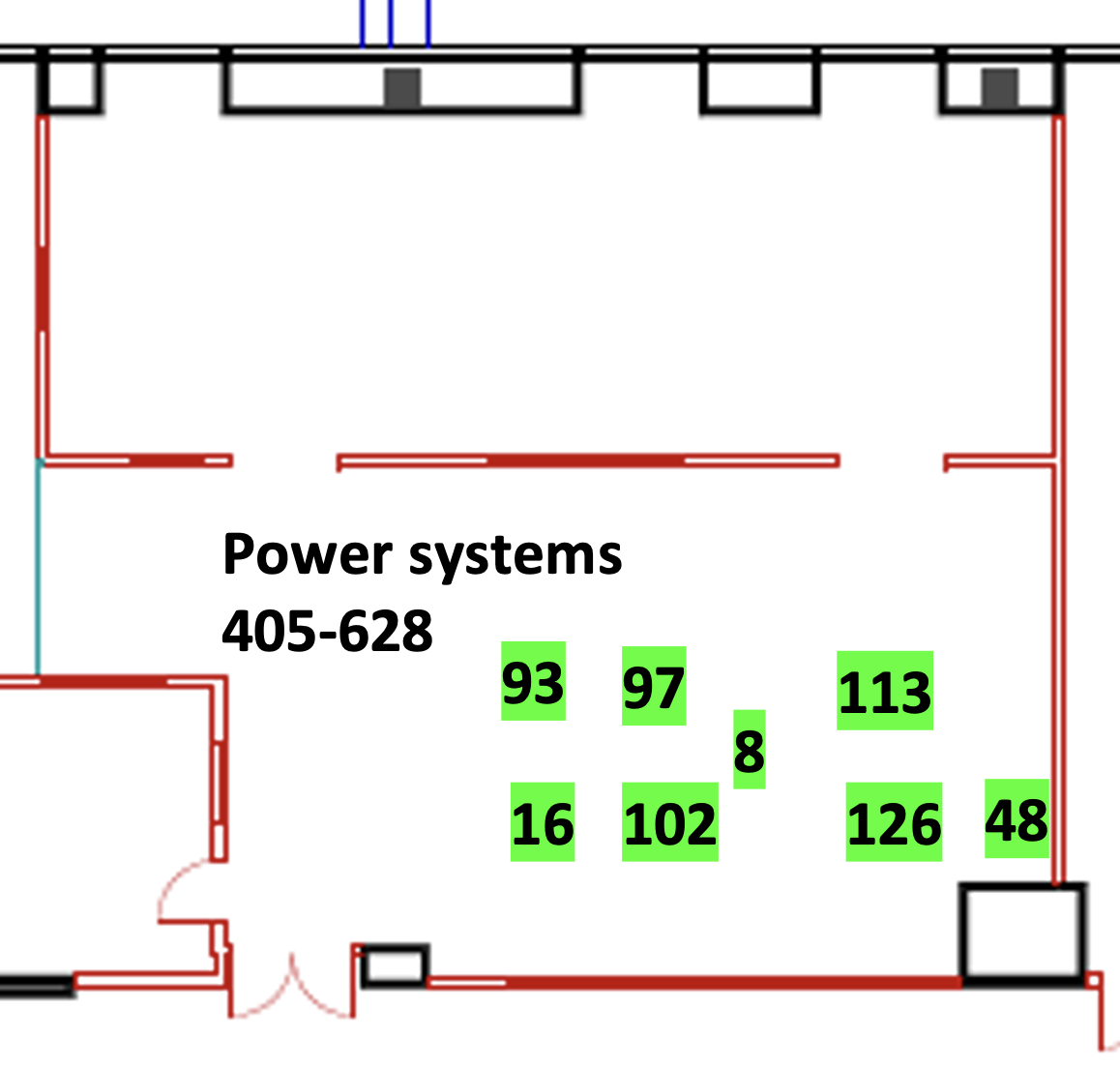
Power Systems (405.628)
About this project
The rapid development of electric vehicles (EVs) presents both new opportunities and challenges for modern power systems. While EVs offer significant environmental benefits and can serve as flexible distributed energy resources participating in power system operations, large-scale EV charging without effective coordination may lead to increased peak loads, thereby affecting the security and stability of power systems. In multi-microgrid systems, the mobility characteristics of EVs further increase the complexity of coordinating charging schedules with microgrid operations.
This project focuses on the coordinated charging problem for large-scale EVs in multi-microgrid environments, aiming to guide students in establishing and analyzing a comprehensive charging scheduling optimization framework that considers differentiated user charging demands. The project will explore how to improve microgrid operational efficiency and overall system performance while satisfying the basic charging requirements of EVs.
Building upon single-microgrid scheduling models, the project further extends to multi-microgrid coordinated operation scenarios. Students will study a hierarchical optimization modeling approach to describe the decision-making interactions among multiple participants. Microgrid operators are responsible for formulating internal electricity pricing strategies that reflect supply-demand relationships; EV aggregators serve as intermediaries managing charging infrastructure and coordinating EV charging behavior; and EV users select appropriate aggregators for charging based on factors such as charging costs, travel convenience, and service quality.
The project will guide students in modeling and analyzing the selection behavior of EV users, exploring the effects of different pricing mechanisms and service strategies on the spatial distribution and load characteristics of EVs in multi-microgrid systems. By adjusting aggregator-related parameters, students will analyze the patterns of EV load distribution changes across multiple microgrids.In terms of modeling and simulation, this project will employ Monte Carlo simulation methods to characterize the randomness of EV arrival times, departure times, and initial State of Charge (SOC). Different charging scenarios will be analyzed based on typical commuting patterns, including nighttime charging modes primarily in residential areas and daytime charging modes at public charging facilities. The scheduling problem will be formulated as a Mixed Integer Linear Programming (MILP) model and solved using MATLAB/YALMIP with the CPLEX solver. Simulation results can be further analyzed and validated in conjunction with the facilities at the Power Systems Laboratory, Department of ECSE, University of Auckland.
Where to find it
Power Systems (405.628)
Look for 6 on the floor plan.
Ron Chong and Miguel Penarubia
Category
Green Energy Technologies
Supervisor
Abhisek Ukil
Location
Power Systems (405.628)
About this project
In microgrid applications, the integration of photovoltaic (PV) systems with hybrid energy storage systems (HESS) represents a key research focus aimed at simultaneously enhancing efficiency and reliability. However, partial shading caused by clouds, buildings, or trees creates multiple local Maximum Power Points (MPPs) on the PV characteristic curves. This often causes traditional Maximum Power Point Tracking (MPPT) algorithms, such as Perturb and Observe (P&O) and Incremental Conductance, to become trapped at suboptimal operating points.
Therefore, designing effective MPPT strategies for partial shading conditions (PSCs) is crucial for maximizing energy harvesting and system performance. Concurrently, Proportional-Integral (PI) control remains a widely adopted technique for regulating HESS charging and discharging processes. By tuning the proportional and integral gains, the controller ensures efficient energy management and contributes to the overall stability of the microgrid.
In this project, the PV system will be managed using advanced MPPT algorithms designed for partial shading conditions, while the HESS will be regulated through a PI-based control strategy. The performance will be compared with conventional methods to highlight advantages in tracking efficiency and convergence speed. The test-bed at the Power Systems Lab in the Department of ECSE, University of Auckland, will be used to experimentally validate the concept and explore potential improvements.
Where to find it
Power Systems (405.628)
Look for 7 on the floor plan.
Oscar Ko and Leo Pan
Category
Power Systems
Supervisor
Abhisek Ukil
Location
Power Systems (405.628)
About this project
Multi-Terminal Direct Current (MTDC) power systems enhance power transfer capacity and operational efficiency, enabling the large-scale integration of renewable energy sources. However, DC line faults induce rapid DC-link capacitor discharge, generating fault currents of high magnitude and frequency that can severely damage sensitive power-electronic components, particularly the freewheeling diodes of Voltage Source Converters (VSCs). Consequently, the development of ultra-fast, reliable, and well-coordinated DC fault detection and protection schemes is essential for the practical deployment of MTDC grids. Previous work has introduced several novel fault detection and localisation methods based on the time-derivative and high-pass-filter (HPF) responses of DC currents, achieving microsecond-level detection and validating their effectiveness through simulations as well as point-to-point and radial MTDC hardware prototypes. Building on this foundation, this Part IV project proposes extending the existing three-terminal radial MTDC prototype to a four-terminal mesh-configured MTDC system with multiple sources and loads. This enhanced platform will enable systematic evaluation of protection and coordination strategies to support the development of robust and scalable protection frameworks for future MTDC grid applications.
Where to find it
Power Systems (405.628)
Look for 8 on the floor plan.
Hui Feng and Hao Yang
Category
Power Electronics
Supervisor
Abhisek Ukil
Location
Power Systems (405.628)
About this project
1. Background
The increasing electrification of vehicle subsystems has led to a significant growth in onboard electrical loads, including electronic control units, infotainment systems, lighting, and auxiliary actuators. Traditional 12 V electrical architectures face limitations in terms of current handling, wiring complexity, and efficiency.
To address these challenges, modern electric vehicles increasingly adopt 48 V auxiliary power architectures, which enable lower current levels, improved efficiency, and more compact power distribution networks. In such architectures, a 48 V–12 V DC–DC converter becomes a mandatory subsystem, supplying conventional 12 V loads while interfacing with the 48 V battery system.
Due to variations in operating conditions, including battery state, temperature, and load demand, the input voltage of the 48 V system may fluctuate over a wide range. Therefore, a DC–DC converter capable of both step-down and step-up operation is required. The four-switch Buck–Boost converter, with its flexible operating modes and continuous current characteristics, is well suited for this application.
This project focuses on the design and experimental evaluation of a four-switch Buck–Boost converter tailored for EV 48 V–12 V auxiliary power systems.
2. System Overview EV 48 V–12 V Auxiliary Power Architecture
In a typical EV electrical and electronic architecture, the 48 V battery supplies mid-power loads and interfaces with a regulated 12 V auxiliary power domain through a DC–DC converter. The proposed four-switch Buck–Boost converter operates as this interface, ensuring stable 12 V power delivery across varying 48 V input conditions.
Converter Functionality
• Wide input voltage regulation (buck and boost operation).
• Continuous power supply to 12 V auxiliary loads.
• Transition between operating modes.
3. Design Components Power Stage Design
• Selection of power semiconductor devices (e.g. MOSFET-based or GaN-based implementation).
• Inductor and capacitor selection based on power or ripple requirements.
• Gate driver circuit design.
• Protection considerations (optional but not required).
Control and Implementation
• PWM signal generation.
• Basic voltage feedback control.
• Dead-time insertion to prevent shoot-through.
Testing and Validation
• Output voltage regulation.
• Observation of key waveforms (inductor current, switch voltages).
4. Working Principles
• Buck Mode Operation.
• Boost Mode Operation.
• Transition Operation.
5. System Advantages
This project provides hands-on experience in power converter design for realistic EV applications, bridging theoretical knowledge and practical engineering implementation. The outcomes align with current industry trends in EV auxiliary power systems and offer a solid foundation for further research or postgraduate study.
Where to find it
Power Systems (405.628)
Look for 9 on the floor plan.
Zeno Simunic and Chloe Yu
Category
Image & Voice Processing
Supervisor
Waleed Abdulla
Location
Control & Signal Processing (405.722)
About this project
Project Summary
Generative models can now create speech, music, and sound effects at scale. However, evaluating “how good” the output sounds is still challenging, time-consuming, and often subjective. This project develops a practical, engineering-grade system for automatic audio aesthetics assessment.
Following the paper [1], the system decomposes listening judgements into four interpretable axes:
· Production Complexity (PC): complexity and density of the audio scene or arrangement.
· Content Enjoyment (CE): perceived enjoyment or artistic/affective impact.
· Content Usefulness (CU): usefulness as source material for creative work or downstream production.
Students will build an end-to-end pipeline covering data ingestion, training, inference on variable-length audio, evaluation, and a demonstration tool. In Semester 2, students will implement at least one impactful extension, such as robustness and calibration, efficiency and deployment, interpretability, or integration with a small generative workflow.
Why This Project Is Lucrative for Students
· Highly industry-relevant: evaluation and quality control are central challenges in generative AI.
· Portfolio-ready outcome: a working model, reproducible experiments, plus a demo tool.
· Modern ML stack: Transformer-style audio encoders, multi-task prediction, large-scale data pipelines.
[1] Andros Tjandra, Yi-Chiao Wu, Baishan Guo, et.al, “Meta Audiobox Aesthetics: Unified Automatic Quality Assessment for Speech, Music, and Sound”.
Download the paper fromHERE
Where to find it
Control & Signal Processing (405.722)
Look for 10 on the floor plan.
Quin McClean and Pablo Pertusatti
Category
Image & Voice Processing
Supervisor
Henry Williams
Co-supervisor
Trevor Gee
Location
Robotics (405.652)
About this project
Modern ship-hull survey, detection, and recovery operations, particularly for contraband, remain heavily reliant on human divers. While some overseas ROV-based solutions exist, these systems are typically limited to inspecting large, flat hull surfaces and struggle to access complex or confined regions, such as bow thruster tunnels and sea chests, which are well-known high-risk locations for concealed objects. Traditional military approaches can address these areas but are extremely resource-intensive, often requiring multiple divers to conduct slow, manual searches. These limitations create a clear need for more scalable, autonomous, and thorough inspection methods.This Part IV Honours project focuses on developing autonomous or semi-autonomous techniques for mapping and surveying ship hulls to detect anomalies that may indicate the presence of contraband. The project will explore how sensor data and intelligent algorithms can be used to build detailed hull maps and identify deviations from expected geometry or appearance, including in hard-to-reach niche areas. Students will gain hands-on experience with robotics, perception, and data-driven detection methods, working on a problem with real-world relevance to maritime security, port operations, and autonomous inspection systems.
The project will utilise the Boxfish robotic platform (www.boxfishrobotics.com) here at the University of Auckland, with students receiving training in its use.
This project is industry-sponsored by Kotare Group Limited.Kōtare Group Limitedseeks to address this challenge by deploying an autonomous underwater vehicle (AUV) to perform biosecurity surveillance on vessels and underwater infrastructure
This project will include the development of underwater computer vision systems and underwater mapping of ship hulls.
This project will require extensive testing in the University pool facilities.
Where to find it
Robotics (405.652)
Look for 11 on the floor plan.
Rebecca Ngan and Aye Thu
Category
Games & Education Aids A
Supervisor
James Tizard
Location
HASEL (405.662)
About this project
The gender gap in engineering continues to be a significant issue, with both academia and industry being dominated by men. This topic continues to receive a growing amount of research attention, looking at both why women are less likely to go into engineering, and why women engineers may not be retained in industry.
This work aims to help understand how gender stereotypes impact the perceptions of who should become an engineer. We plan to follow the recent work from Cutrupi et al. [1], in which they asked school aged children (Primary and Intermediate) to draw a software engineer, in order to collect their perceptions and investigate whether gender stereotypes still persist. This work will include, helping to conduct the “draw an engineer” sessions, analysing the output of these sessions, and preparing a research paper.
[1] Cutrupi et al., “Draw a Software Engineer Test - An Investigation into Children’s Perceptions of Software Engineering Profession” at ICSE 2023
Where to find it
HASEL (405.662)
Look for 12 on the floor plan.
Conrad Ang and Jacky Zhang
Category
Software Tools & Processes B
Supervisor
James Tizard
Co-supervisor
Henry Williams
Location
HASEL (405.662)
About this project
The goal of this project is to improve large language model based coding systems through the application of reinforcement learning techniques. Prior research has shown that some open source coding models, such as CodeGemma, can generate low quality software, including code with poor performance characteristics [1]. This project seeks to address this limitation by fine tuning such models to more consistently produce high quality, efficient code.
Most existing approaches for improving large language models rely on supervised learning, which requires large volumes of human labelled data. Producing these labels is time consuming and costly, placing practical limits on the scale of fine tuning that can be performed. This project aims to overcome this bottleneck by substantially reducing the level of human involvement required during model improvement.
Rather than relying on human provided labels, we will employ automated reward signals to guide the fine tuning process. These rewards will evaluate the quality of generated code, for example by assessing runtime performance or resource efficiency. One approach we will explore is the use of a secondary model, often referred to as an “LLM-as-Judge”, to automatically score generated code. By replacing manual labelling with automated evaluation, fine tuning can be scaled more effectively, enabling more extensive model improvement and ultimately higher quality outputs.
Where to find it
HASEL (405.662)
Look for 13 on the floor plan.
Lachlan Hickey and Kevin Vu
Category
Games & Education Aids B
Supervisor
Kevin I-Kai Wang
Co-supervisor
Akshat Bisht
Location
Embedded Systems (405.760)
About this project
New Zealand freshwater resources are heavily polluted. Efforts are now being made to try and monitor freshwater resources with water quality sensors at varying geographical locations. The sensor data coming from the variety of sensors needs to be presented in an easy-to-understand visual representation to capture the spatial and temporal information and correlations embedded in the data.In this project, the team will expand on the existing work of VR based representation of the lake sensor data in the following directions:
Explore then state-of-the-art for lightweight hi-poly models for VR platforms to ensure hyper-realistic VR environments while ensuring smooth high-framerate operations.
Explore techniques to develop unified environments which work in both VR and AR scenarios and also across multiple platforms, viz. Metaquest, iOS and Android.
Explore virtual reality locomotion techniques like redirected walking to create an immersive and interactive lake eco-system environment in VR, which represents multimodal sensed data using sensory cues - sounds, haptics, visual.
Where to find it
Embedded Systems (405.760)
Look for 14 on the floor plan.
Macy Butler and Krishay Kollipara
Category
Embedded Systems B
Supervisor
Kevin I-Kai Wang
Co-supervisor
Akshat Bisht
Location
Embedded Systems (405.760)
About this project
Sensors have become omnipresent in our modern world. Sensors can vary vastly depending on applications even when sensing the same physical parameter. For example, a temperature sensor for monitoring room temperature can be very different in cost, performance, accuracy, etc compared to one monitoring biological samples in a cryogenic chamber. The vast variety of applications has led to a wide range, quality and price-point of different sensors. Apart from simple documented differences like accuracy, stability, range, some parameters like drift, long-term stability, dependence on external factors like quality of input power, etc are mostly not published by manufacturers and very little work is done to understand them for non-critical applications.
Moreover sensors sensing the same physical parameter can use different electro-chemical techniques to convert the sensed parameter to an analog voltage. For example temperature sensors can measure temperature using change in resistance of a material (RTD), difference in voltage in a bimetal arrangement(thermocouples) or use indirect measurements like infrared temperature sensors.
In this project we aim to explore sensors for environmental monitoring, including soil parameters, water quality sensors, general environmental sensors – temperature, humidity, etc) across different price points to understand how they behave in real world applications. Then with the use of standard calibrated sensors we aim to use machine learning techniques to characterise and enhance the sensors to understand and improve their suitability in specific applications and to ensure the ML models can report ground truth accurately even when the sensors themselves report degraded data points. The developed technology will be critical for developing geographically large-scale sensor deployments for applications such as environmental monitoring and disaster management.
Where to find it
Embedded Systems (405.760)
Look for 15 on the floor plan.
Ajith Penmatsa and Nicky Tian
Category
AI & Machine Learning E
Supervisor
Kevin I-Kai Wang
Co-supervisor
Akshat Bisht
Location
Embedded Systems (405.760)
About this project
Cloud storage and compute have become the norm in recent years for most applications. But security is often seen has a secondary problem and mostly done in patches. This has led to disasters like the current Manage My Health data leak. Another problem arises due to the use of either
custom made solutions - which again lack modern security and robustness or
using overseas cloud providers, which store and process data in locations outside the jurisdiction of the data generation and consumption region/country which leads to data sovereignty and protection issues.
In this project we explore the need and advantages of micro-data centres as a means for solving application-specific hosting problems with either PaaS and IaaS style services. Bleeding-edge security including post-quantum cryptography will be the foundation for all system elements in data transmission, compute and storage. The second pillar is resilience, again for all three elements. The design of the system needs to follow robust standards, toolchains, libraries etc, to ensure it stays current in years to come, while also ensuring easy and reproducible replication.
Lastly, the focus will be on using green energy i.e. solar and wind to power the developed system, which will need extensive measurements and characterisation of power usage of the system.
Where to find it
Embedded Systems (405.760)
Look for 16 on the floor plan.
Jayde Lal and Jack Matthews
Category
Image & Voice Processing
Supervisor
Reza Shahamiri
Co-supervisor
Henry Williams
Location
HASEL (405.662)
About this project
Automatic Speech Recognition (ASR) provides a promising interface to assist communications for people with speech conditions such as dysarthria, whose slurred speech may be interpreted by machine learning models to help overcome the language barrier. However, severe speaker variability requires existing solutions to incorporate personalised adaptation based on user feedback. The friction of collecting user-corrected transcripts is often worsened by underlying motor impairments, which make it harder to interact with physical devices compared to conventional Human-in-the-Loop (HITL) scenarios. In this project, you will investigate Reinforcement Learning (RL) methods to improve dysarthric speech recognition via post-processing, enabling a language model to fix potential transcription errors. By leveraging preference-based offline RL, you will develop an adaptive mechanism for collecting low-friction user feedback. Prior experience with pytorch would be beneficial along with the eagerness to learn, as you will have the opportunity and guidance to acquire the relevant knowledge
Where to find it
HASEL (405.662)
Look for 17 on the floor plan.
Rhett Murdoch and Rayaan Rajabally
Category
AI & Machine Learning C
Supervisor
Reza Shahamiri
Location
HASEL (405.662)
About this project
Autism AI is a project intending to imporve the accessinbility of ealry autism screening via machinbe learning platforms. This porject involves around fine-tuning an LLM to established more indepth understanidn of Autism to provide feedback to the usre, as well as rediegning the existing Autism AI android and web application to integrate the LLM and other AI models we have desinged.
Where to find it
HASEL (405.662)
Look for 18 on the floor plan.
Luca Latham and Blake Yule
Category
Embedded Systems B
Supervisor
Akshat Bisht
Co-supervisor
Kevin I-Kai Wang
Location
Embedded Systems (405.760)
About this project
Tracking assets in large places like warehouses, ports, etc is always challenging due to the need for covering large areas using a distributed system and also in the need for low cost on-device identifiers. Barcodes, although low cost, are inherently slow and need human or robotic intervention for updating their status. RFID in that regard is a much better technology and is widely used.
But some specific applications like cold-chain, high-value or high-risk chemicals require monitored tracking, i.e. the need for active sensing of one or more physical properties of the assets along with their locations. Such applications require specialised devices, which are not only complex and expensive but also require regular maintenance like battery charging or replacement and expensive communication backhauls like cellular.
In this project we plan to explore the use of semi-passive RFID with radio-energy harvesting to create a class of battery-free RFID sensors and trackers which can be applied to the specialised assets management applications in a cost effective and easy-to-use manner.
Where to find it
Embedded Systems (405.760)
Look for 19 on the floor plan.
Anthony Pang and Dev Patel
Category
Intelligent Systems & Control
Supervisor
Kevin I-Kai Wang
Co-supervisor
Akshat Bisht
Location
Embedded Systems (405.760)
About this project
This project involves the design and development of a privacy-preserving human activity recognition system built from low-cost embedded hardware: four ESP32 microcontrollers, each paired with a VL53L8CX time-of-flight depth sensor. A single low-resolution sensor struggles to recognise a pose once the person turns away from it, so the four sensors are mounted at different angles around a room and their views are combined, allowing poses such as standing, sitting, lying down and raised arms to be recognised regardless of which way the person is facing. A lightweight neural network classifies each frame on the embedded hardware in real time, and a state machine tracks the sequence of poses to detect events such as a fall. The project also investigates federated learning, in which each sensor node learns from its own viewpoint and shares only model updates, so that raw depth data need not leave the node. Because each sensor measures only distance on an 8 × 8 grid, a person appears as a coarse shape and never as an identifiable image. This makes the system well suited to spaces where cameras and high-resolution sensors are unacceptable, such as care home bedrooms, hospital wards, mental health units and prison cells, where staff still need to know when someone has fallen or needs help.
Where to find it
Embedded Systems (405.760)
Look for 20 on the floor plan.
Liam Hall and Tom Rong
Category
Embedded Systems A
Supervisor
Maryam Hemmati
Co-supervisor
Partha Roop
Location
Embedded Systems (405.760)
About this project
This project investigates the microarchitecture of a bitide-native processor for deterministic distributed computing. Bittide is a novel, physical layer protocol proposed by Google for large-scale distributed systems to achieve "logical synchrony". Instead of relying on a global, perfectly synchronized physical clock, which is fragile and expensive to maintain at scale, bittide allows independent, loosely coupled nodes to communicate and compute as if they are perfectly aligned in time. This project aims to explore the hardware implementation of a bitetide-native processor and identify the potential performance benefits achieved through integration of the bittide protocol with the microarchitecture of a RISC-V processor.
Where to find it
Embedded Systems (405.760)
Look for 21 on the floor plan.
Zara Colaco and Charlotte Setter
Category
AI & Machine Learning E
Supervisor
Maryam Hemmati
Location
Embedded Systems (405.760)
About this project
This industry-sponsored project focuses on developing a computational framework to identify and validate optimal transmission switching plans that alleviate network congestion and reduce operational costs. While traditional network topology optimisation is often a manual task for control room engineers, modern approaches aim to automate the process by using AI algorithms to find the most efficient network configurations. All proposed switching plans should be tested against safety and reliability criteria to ensure reconfigurations do not introduce new stability risks. Each switching plan that Unison produces undergoes a review process, with two independent reviewers confirming that the plan achieves the goal of the work request and is safe (i.e., adheres to the defined SM-EI rules). This project focuses on rapidly testing proposed switching plans to identify the optimum network topology.
Where to find it
Embedded Systems (405.760)
Look for 22 on the floor plan.
Tonny Chen and Beren Eskildsen
Category
Embedded Systems A
Supervisor
Maryam Hemmati
Co-supervisor
Morteza Biglari-Abhari
Location
Embedded Systems (405.760)
About this project
Capsule networks (CapsNets) are a class of neural networks that address one of the main issues and deficiencies of CNNs. In CNNs, extracted features in the initial layers pass through pooling layers, where critical information, including spatial relationships, can be missed, leading to incorrect classifications. CapsNets can better model hierarchical relationships and have achieved strong performance across many fields. CapsNets have different architectures in their layers and, hence, different computational complexities. This project investigates energy-efficient hardware accelerations for this class of neural networks for real-time applications. It aims to identify potential performance and energy advantages offered by AMD AI engine technology available on AMD Versal devices.
Where to find it
Embedded Systems (405.760)
Look for 23 on the floor plan.
Eedong Jeong and Yukyung Lee
Category
Radio Systems
Supervisor
Talia Xu
Location
MDLS (405.569)
About this project
In the face of increasing urban density, modern wireless networks often struggle with "dead zones" where concrete infrastructure blocks signal paths. While the industry traditionally solves this by deploying more power-hungry base stations, this project explores a more sustainable and ingenious alternative: Intelligent Reflecting Surfaces (IRS). An IRS acts as a programmable "smart mirror," intercepting existing signals and strategically redirecting them around obstacles. However, rather than relying on expensive, custom-built hardware to achieve this, we are challenging the conventional limits of standard computing components by repurposing Field-Programmable Gate Arrays (FPGAs).
This project treats the FPGA not just as a digital processor, but as a flexible electromagnetic canvas. By looking past the standard logic gates, we utilize the chip's massive web of programmable interconnects, the thousands of metal wire segments usually reserved for moving data, to create functional, radiating structures. This exercise in creative engineering bridges the gap between digital logic design and electromagnetic physics: we essentially "draw" antenna shapes (such as loops or fractals) using simple binary bitmap images and use a custom "Fill Router" to physically map these geometries onto the chip’s internal wiring.
The outcome of the project is a dual-function device that leverages the often-overlooked flexibility of FPGA hardware. By weaving these antenna structures into the unused routing resources of a standard digital design, we create a "hidden" layer of wireless functionality that operates without interfering with the primary logic.
Relevant paper here: https://dl.acm.org/doi/10.1145/1950413.1950455
Where to find it
MDLS (405.569)
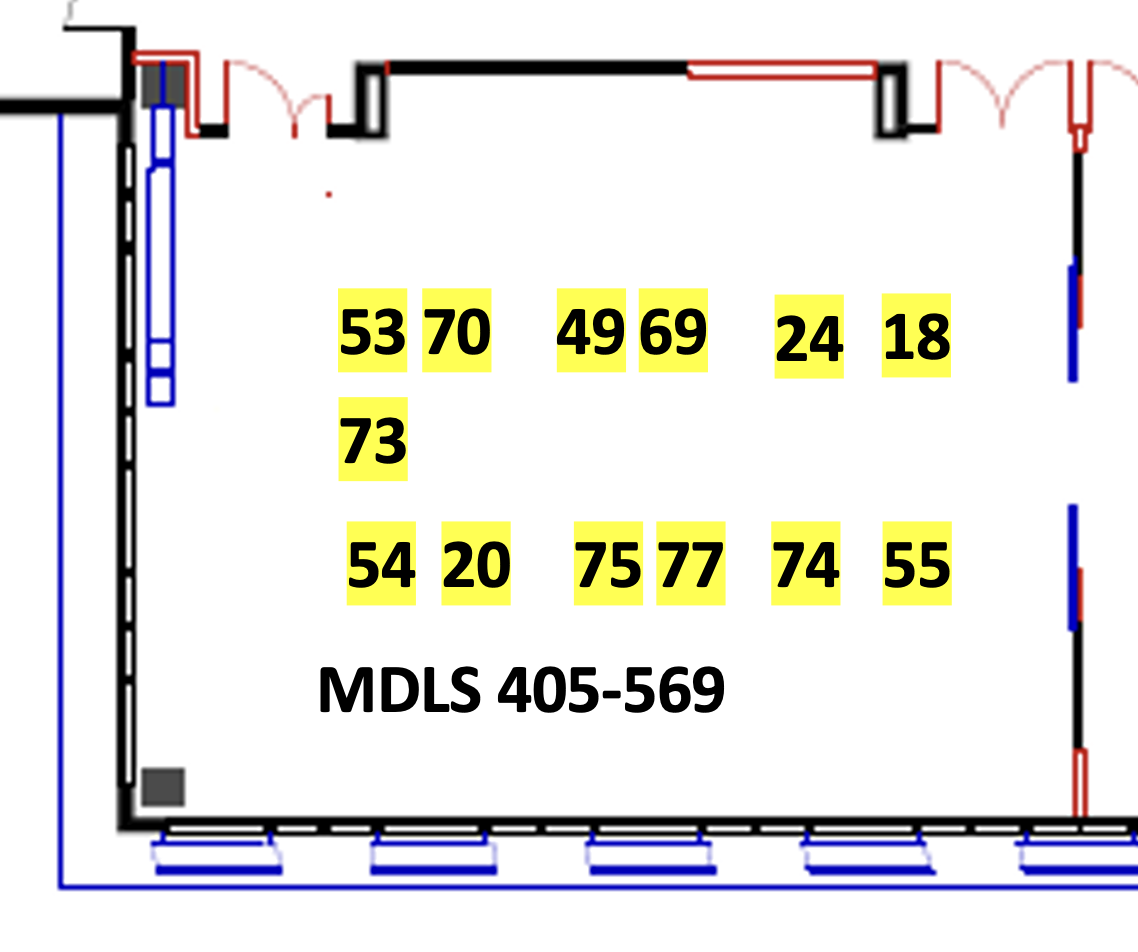
Look for 24 on the floor plan.
Alex Brown and Jonathan Goldsmith
Category
Embedded Systems A
Supervisor
Morteza Biglari-Abhari
Location
Embedded Systems (405.760)
About this project
RISC-V is open standard instruction set architecture (ISA) which facilitates adding custom instructions to accelerate running high performance and edge level applications. To gain widespread adoption of a new ISA, it is essential to facilitate running applications developed using older ISAs such as X86 on new computer architecture platforms. An example is Apple’s Rosetta initiatives, which assisted the transitions from PowerPC to x86, then x86-64 to Arm, and same with Windows-on-Arm emulation layer. Rosetta 2 set itself apart by leveraging Apple Silicon-specific instructions to increase the speed and power efficiency of x86-on-ARM.
The aim of this research is to investigate if RISC-V can adopt an approach like Rosetta 2 by developing a working prototype to demonstrate the challenges and opportunities to run a subset of user level x86 instructions on a RISC-V based architecture implemented on an FPGA based platform.
Where to find it
Embedded Systems (405.760)
Look for 25 on the floor plan.
Samuel Lee and Dimitri Watt
Category
Embedded Systems B
Supervisor
Morteza Biglari-Abhari
Location
Embedded Systems (405.760)
About this project
Deploying machine learning (ML) algorithms on resource constrained devices to achieve a high-level of accuracy for practical cases is very challenging as the availability of limited resources has significant impact on the quality of results. TinyML is ML optimized to be deployed on resource constrained devices for AIoT (Artificial Intelligence of Things) applications such as Industrial IoT, healthcare devices, environment monitoring systems and agricultural applications. As the complexity of ML algorithms and the data size for TinyML algorithms are reduced compared to ML algorithms, their effectiveness for the target applications should be investigated.
The aim of this research is to investigate the design trade-offs for using the FPGAs architectural resources such as advanced DSP blocks and Tensor processing blocks, to accelerate deployment of TinyML algorithms to satisfy the required performance and energy-efficiency constraints. Using customized multi-processor systems on chip (based on softcore Nios V processors, and hardware accelerators or ARM based hardcore processors) will be investigated too.
Where to find it
Embedded Systems (405.760)
Look for 26 on the floor plan.
Anna Haine and Ella Wilson
Category
Green Energy Technologies
Supervisor
Duleepa Thrimawithana
Location
Green Electronics (405.712)
About this project
High-temperature superconducting (HTS) magnets are increasingly used in modern applications such as nuclear fusion systems, plasma thrusters, superconducting motors, particle accelerators, and portable MRI machines. These magnets are typically excited using very large DC currents, often in the order of several kilo-amperes, to generate extremely high magnetic field strengths. Under DC excitation, HTS conductors exhibit near-zero electrical losses, making them highly efficient.
A key challenge, however, lies in injecting these large DC currents into the HTS magnet without introducing significant losses. The technology used to achieve this task is commonly referred to as a flux pump.
Among the various flux-pump topologies, the transformer-rectifier flux pump is one of the most widely used. In this approach, a transformer and rectifier circuit are used to generate a high DC current that is injected into the HTS magnet. There is growing interest in implementing the rectifier stage using semiconductor switches. To minimise conduction losses, this typically requires paralleling a large number of semiconductor devices to achieve an effective on-resistance in the milli-ohm range or below.
Controlling all the switches in such a switching bank is quite challenging specially in the presence of high-current traces and in an cryogenic environment. Therefore this project intends develop an inductively controlled cryogenic semiconductor switching bank for flux pump applications.
Where to find it
Green Electronics (405.712)
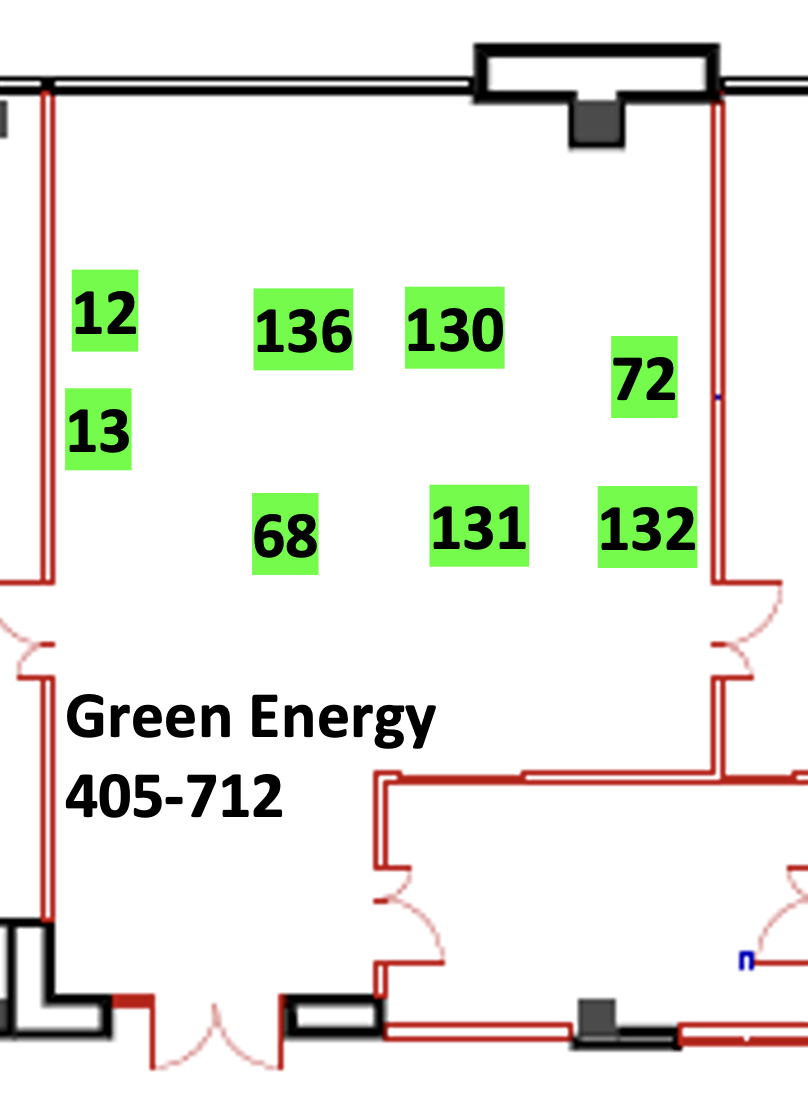
Look for 27 on the floor plan.
Ryan Gin and Kieran McKenna
Category
Human Computer Interactions
Supervisor
Jing Sun
Location
MDLS (405.559)
About this project
Cognitive Stimulation Therapy (CST) is an evidence-based psychosocial intervention shown to improve cognition, quality of life, and social engagement in people living with mild to moderate dementia. Although CST is widely recommended in clinical guidelines, access remains limited due to workforce constraints, training requirements, and geographical barriers. Individual CST (iCST) offers greater flexibility but is resource-intensive and difficult to scale. This project aims to develop AvatarCST, an AI-powered virtual avatar system designed to deliver structured individual CST sessions to older adults with mild dementia. The system will translate standardised, manualised iCST content into an interactive, conversational avatar that guides users through cognitively stimulating activities (e.g., memory, language, executive function, and orientation tasks) in a supportive and engaging manner. The avatar will follow fixed, evidence-based scripts while adapting pacing, prompts, and feedback to individual user responses. The platform will be designed for tablet- and web-based use, with particular attention to usability, accessibility, and acceptability for older adults. AvatarCST aims to support equitable access to CST, complement clinician-led care, and provide a scalable digital intervention for cognitive health.
Where to find it
MDLS (405.559)
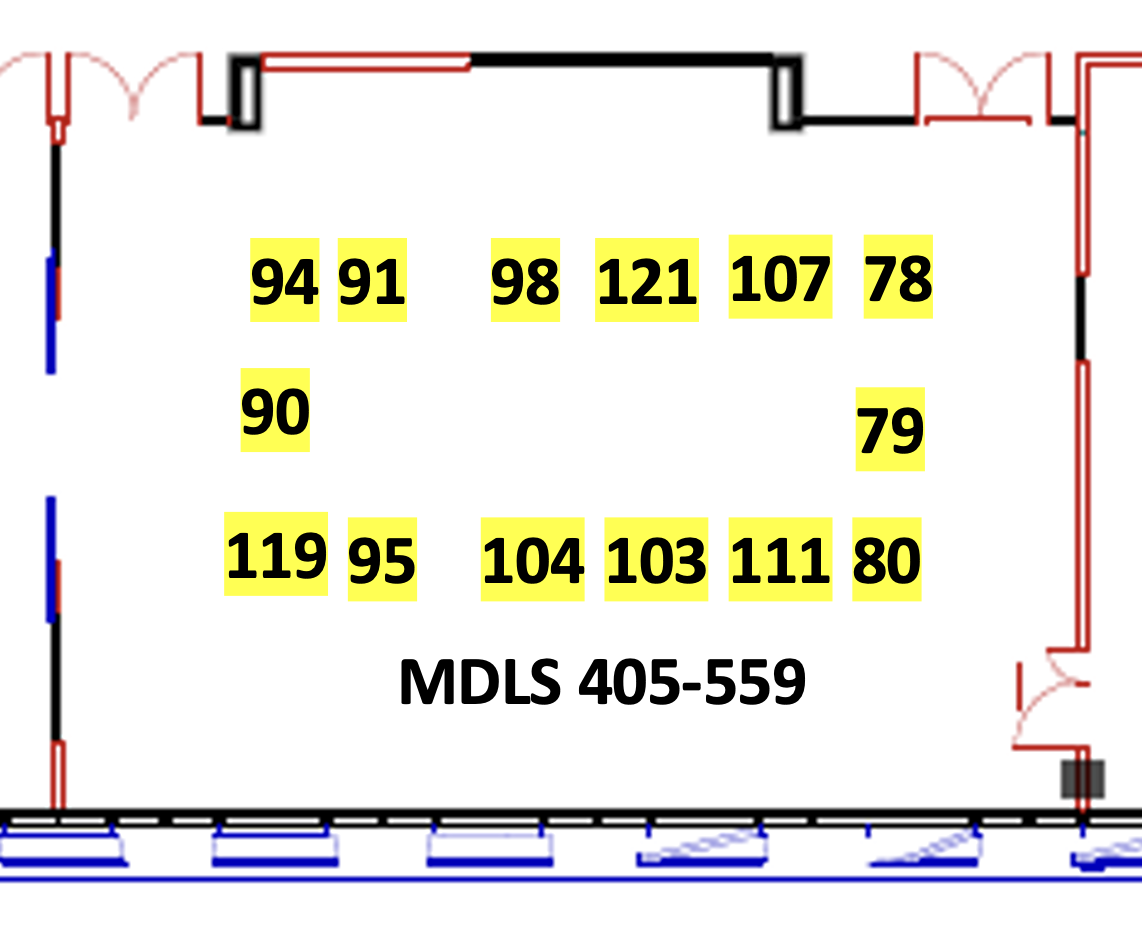
Look for 28 on the floor plan.
Reynhard Buitendach and Tristan Hall
Category
AI & Machine Learning C
Supervisor
Jing Sun
Location
MDLS (405.559)
About this project
This project aims to develop CareMate AI, an intelligent, LLM-powered virtual avatar for personalised aged care support. By leveraging state-of-the-art smart assistant techniques inspired by ClawDBot-style architectures, the system will integrate autonomous reasoning, structured memory, and tool use to deliver reliable and context-aware interaction. CareMate AI will provide companionship, personalised assistance, and continuous health support through natural language engagement and domain-specific healthcare knowledge. It will support daily routines, medication reminders, appointment management, and emotional well-being. Using multimodal data analysis and adaptive learning, the platform will monitor activity patterns and health indicators, deliver personalised recommendations, detect potential risks, and generate actionable summaries for caregivers. By combining intelligent interaction, data-driven personalisation, and autonomous decision-making, CareMate AI aims to enhance resident well-being, promote independent living, and reduce caregiver workload. The project will deliver a scalable, human-centred solution for next-generation aged care services.
Where to find it
MDLS (405.559)
Look for 29 on the floor plan.
Eric Chen and Jesse Li
Category
Intelligent Systems & Control
Supervisor
Zoran Salcic
Location
Embedded Systems (405.760)
About this project
The project explores possibilities of fusion of existing commercial software for control of industrial automation systems (IAS) targeting fixed (static) plant configuration with a novel paradigm for distributed software systems in to support both static and dynamic modifications of the control for the changing plant model. Two particular technologies that will be used as a starting point and explored are
(1) Beckhoff commercial hardware and software platform for industrial control systems based on a network of industrial PCs and I/O interfacing nodes connected through EtherCAT, an industrial proof networking system, and TwinCAT software framework for development of control systems and
(2) Concurrent system-level programming SystemJ for the extensions to adaptable statically and dynamically reconfigurable plant/platform with high degree of compositionality of modelling both plant and its control software.
Specific scenarios that require reconfigurability of both plant and its controller will be studied and used as use cases such as failure of physical parts of the system and fail-safe continuation of its operation without need for total reset, change of production process and products made by the plant, etc. The project will explore using digital twin technology of various elements of manufacturing process (workstations that transform physical parts (workpieces), change of the state of workpieces, alternative material physical paths to continue processing and anything else that can lead towards flexible modelling of the manufacturing process.
Where to find it
Embedded Systems (405.760)
Look for 30 on the floor plan.
Viraaj Kapadia and Kabir Sikh
Category
Intelligent Systems & Control
Supervisor
Zoran Salcic
Location
Embedded Systems (405.760)
About this project
We are exploring the use of digital twins (DT) enhanced with Machine Learning (ML) in discrete industrial automation systems (IAS) control. The project explores how DTs can enhance control and efficiency of IAS and how ML can further influence control in systems that use heterogeneous sensors, such as cameras, position detection and identification on the manufacturing line (such as barcode and QR-code readers). We envisage IAS control based on interplay of three types of DTs: (1) DTs of workpiece which after completion of the “recipe” becomes a final product, (2) DTs of workstations that make physical changes and transformations on the workpiece as required by recipe for specific product, and (3) DTs of transportation system devices (such as conveyors, turntables, arm manipulators, temporary storage bays, and robots). Using DTs makes possible a completely new production paradigm and formalisation of IAS that produces final products by applying discrete operations as specified in the recipe. Complex sensors can be used to better characterise current status of production process and enhance performance of the overall system.
Where to find it
Embedded Systems (405.760)
Look for 31 on the floor plan.
Joshua Feng and David Yu
Category
Embedded Systems A
Supervisor
Zoran Salcic
Co-supervisor
Akshat Bisht
Location
Embedded Systems (405.760)
About this project
Internet of Things (IoT) layer typically comprises of a large number of sensor and actuator wireless end nodes that connect to the rest of Internet through a suitable communication network that enables reliable transfer of data to/from end nodes. In this project we consider a IoT layer that includes Bluetooth (BLE) enabled end nodes and a wireless (Wi-Fi) mesh network as the communication network.
Wi-Fi mesh is resilient and dependable network capable of self-organisation and reconfiguration that can select any mesh node to serve as a gateway to the rest of Internet. The assumption will be that the mesh nodes have permanent power supply, but a study of what would be needed to operate it certain amount of time on batteries will be done within project.
As both Wi-Fi mesh and end nodes are wirelessly connected computers, in real-life applications (such as building automation, industrial automation etc) it will require up-date of software of each individual mesh node. The mesh will also support OTA of end nodes that are connected to the mesh via BLE.
As the mesh node an ESP32 Wi-Fi and BLE enabled node will be used.
The project is based on and continues from the results of a P4 project in 2025.
Where to find it
Embedded Systems (405.760)
Look for 32 on the floor plan.
Joanna Kim and Ella Ma
Category
Intelligent Systems & Control
Supervisor
Zoran Salcic
Location
Embedded Systems (405.760)
About this project
The project addresses discrete manufacturing system control that can immensely improved by using artificial intelligence (AI) and machine learning (ML) models in real-time context. The AI models such as DeepSeek and other competing models can make realistic inroads into manufacturing realm. The project is explorative and aims at making systematic survey of major AI models used in manufacturing context and classifying types of applications in which they have been used in research and/or commercial domain. We focus on applicability of these models on edge network level where there are constrained hardware resources associated with sensors (e.g. cameras) and machines used in manufacturing and transportation of workpieces. Some experiments with DeepSeek or other elected model(s) such as Qwen, image and video analysis Yolo methodology and Intel hardware/software platforms and AI software, which specifically target OpenVINO will be developed and used.
The project is based on and will use the results of the P4 project from 2025.
Where to find it
Embedded Systems (405.760)
Look for 33 on the floor plan.
Jonathan Cilliers and Wenjing Yuan
Category
Embedded Systems A
Supervisor
Zoran Salcic
Location
Embedded Systems (405.760)
About this project
The project focuses on the development of a heterogeneous multiprocessor platform that integrates traditional general purpose processors, reactive processors and application specific processors into almost arbitrary configurations, to enable customisation for specific applications. At least part of the platform must guarantee time-predictable execution wich is key in real-time applications. The platform will be suitable for combined control- and data-dominated embedded real-time systems that rely on ability to deal with time and safety critical reactive applications that also include significant use of digital signal processing.
The project will explore the architectural alternatives of satisfying the reactive and data processing requirements of the advanced embedded real-time systems and result in the development of that execution platform that employs a time-predictable Network-on-Chip (NoC) that accommodates between 4 and 16 nodes (processor cores such as NiOS or RISC-V and/or complete computers such as RPi 5, application-specific processors, function accelerators).
Where to find it
Embedded Systems (405.760)
Look for 34 on the floor plan.
Taha Basar and Thor Bridger
Category
Green Energy Technologies
Supervisor
Seho Kim
Co-supervisor
Grant Covic
Location
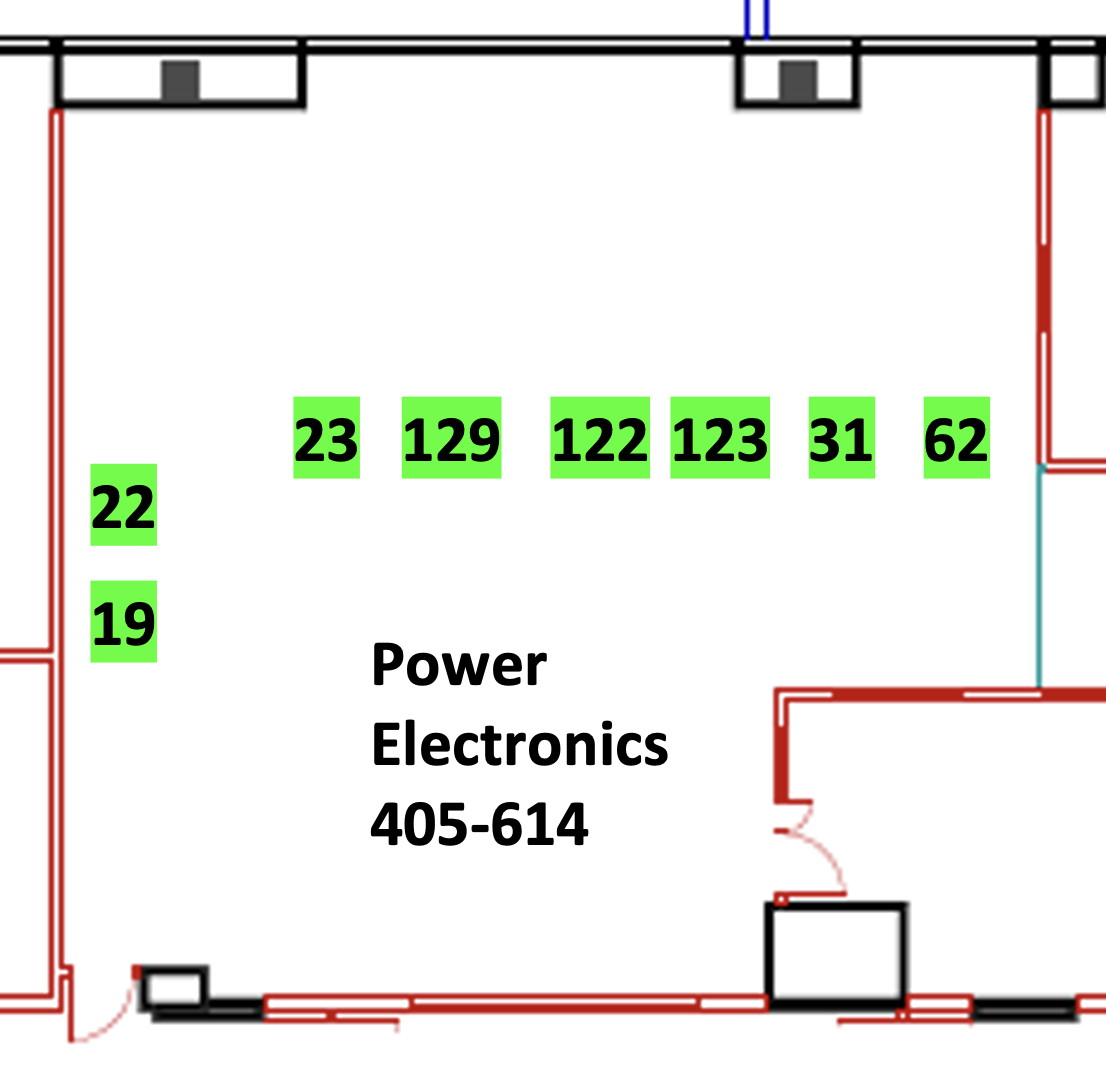
Power Electronics (405.614)
About this project
Inductive power transfer (IPT) systems are increasingly being explored for electric vehicle (EV) and heavy-duty electric vehicle (HDEV) charging, where achieving high power transfer in a compact and efficient form is a key challenge. The performance of the magnetic core material plays a critical role in determining the power density and efficiency of IPT systems.
Conventional Mn–Zn ferrite materials are widely used due to their low losses but are limited by relatively low saturation flux density and permeability. Nanocrystalline alloys offer higher permeability and saturation flux density, making them attractive for high-power, high-frequency magnetic applications. However, their higher electrical conductivity leads to increased eddy current losses, and their anisotropic magnetic behaviour complicates their use in systems with non-uniform flux paths.
This project aims to experimentally find ways to optimise the anisotropic magnetic properties of nanocrystalline laminates using a Maxwell coil. By testing laminates with different materials, lamination structures, and fracturing methods at varying mechanical orientations to measure its core losses and effective permeability. While IPT systems are the primary focus, the resulting characterisation methods and optimisation insights could be applicable to other high-frequency magnetic-core applications, such as wireless power systems and power electronic converters.
Where to find it
Power Electronics (405.614)
Look for 35 on the floor plan.
Soham Kulkarni and Nathan Turley
Category
Software Tools & Processes B
Supervisor
Valerio Terragni
Location
HASEL (405.662)
About this project
Metamorphic testing is a software testing technique that aims to automate testing for software systems. In traditional testing, developers manually write test cases that exercise a method or component under test using specific inputs and expected results. The test then executes the system under test and checks whether the actual output matches the expected output; if it matches, the test passes; otherwise, it fails. Writing these test cases is expensive, time-consuming, and error-prone, and some issues can still slip through into production.
Metamorphic Testing (MT) offers a promising alternative by enabling automatic test generation with minimal human effort. It leverages Metamorphic Relations (MRs), which specify expected relationships between outputs produced from related inputs. For example, how the output should change (or remain consistent) when the input is transformed in a particular way. Instead of defining exact input–output pairs for each test, developers specify MRs, and MT can automatically generate (thousands or millions of) test cases to check whether these relations are satisfied. This allows faults to be detected even when explicit expected results for each test input are not available.
Despite its benefits, MT is still difficult and expensive to set up in practice, and today it is typically adopted only by big-tech companies such as Google, Meta, and Amazon. This research project proposes designing an automated framework that makes MT accessible to everyday developers by simplifying how MRs are defined and how tests are generated and executed. We conjecture that AI, particularly large language models (LLMs), can support automated test generation behind the scenes. The project will propose a novel JUnit extension that allows developers to write MT-based test cases with minimal effort, while the framework integrates LLM-driven assistance and automated test generation under the hood. Finally, the project will evaluate both usability (how easy the framework is to learn and use) and effectiveness (how well it improves fault detection compared with conventional tests). To be successful, students should have strong proficiency in Java and JUnit and be comfortable working with LLMs, testing frameworks, and automation tools.
Where to find it
HASEL (405.662)
Look for 36 on the floor plan.
Kyle Limlengco and Marie Patlong
Category
Signal Processing
Supervisor
Nitish Patel
Location
Control & Signal Processing (405.722)
About this project
We have developed an alternative model (resonant model, RM) for bio-physical cells that are suitable for integer arithmetic and hence suitable for FPGAs. The each cell is built using several digital resonators and these are highly amenable for parallelization.
At present we can fit a fully connected network of about 30 cells with on a Cyclone V. In 2025, a method of time-division multiplexing was evaluated and a significant increase in emulation of *unconnected* cells was achieved. In 2026, we intend to explore connectivity.
The project will involve understanding the RM and then implement a cell/tissue using VHDL (QuestaSim). The project will develop a design for parallelization and implement these on an FPGA.
The students will be expected to be skilled in VHDL and Matlab. Please meet with the supervisor before bidding for this project.
Where to find it
Control & Signal Processing (405.722)
Look for 37 on the floor plan.
Shrirang Ekbote and Alexander Skilton
Category
Power Electronics
Supervisor
Patrick Lawton
Co-supervisor
Grant Covic
Location
Power Electronics (405.614)
About this project
Current designs of Inductive Power Transfer (IPT) systems are approaching the thermal energy density limits that conventional air and water cooling methods can handle. Liquid metal (LM) coolants are being explored for their increased thermal conductivity, enabling further reduction in form factor and increasing power transfer capability. However, the electrical conductivity and increased cost of LM solutions provides some uncertainty on which of the IPT systems LM cooling would be appropriate.
This project aims to investigate the potential of LM coolants to improve power density and power transfer capability in IPT systems, and to compare their performance with conventional cooling techniques such as air and water cooling. We will achieve this by understanding what applications LM is best suited for, its desirable properties and any associated challenges. This may include consideration of low vs high voltage systems, magnetic applications, and power electronics. Practical challenges of using LM coolants in IPT systems will also be examined; these may include induction heating of conductive coolants, insulation breakdown in high-temperature or high-voltage environments, magneto-hydrodynamic (MHD) effects, and system weight and cost.
Where to find it
Power Electronics (405.614)
Look for 38 on the floor plan.
James Beddek and Joseph Kernohan
Category
Signal Processing
Supervisor
Nitish Patel
Location
Control & Signal Processing (405.722)
About this project
Monitoring the health of beehives is important for several reasons. Although there are several factors affecting hive health, this project will focus on detecting motion of bees. Whilst it is intuitive to use imaging methods, this is only viable in hives designed for cameras. This is not viable for widespread deployment.
The existing method uses electrostatic sensors because bees acquire a charge after a flight. Our understanding is that the data from existing sensors are quite difficult to use and this warrants a closer examination.
Initially, this project will evaluate CapSense technology using the PSoC 4/5 as sensors to detect the motion of bees. This may require low level coding (Verilog on PSoC or augmenting the CapSense library). The project will require both digital, analogue hardware and embedded software skills.
Please meet with the supervisor before bidding for this project
Where to find it
Control & Signal Processing (405.722)
Look for 39 on the floor plan.
Ashkan Azarkish and Christian Motta
Category
Signal Processing
Supervisor
Nitish Patel
Location
Control & Signal Processing (405.722)
About this project
High performance vehicles, particularly in drag racing and Formula Student events, require precise, real-time data regarding the chassis velocity relative to the ground to maximize acceleration. To optimize velocity gained during acceleration, the vehicle control system must balance the torque applied to the track against the tyre slip ratio. Slip ratio is defined as the percentage difference between the angular velocity (converted to linear velocity) of a tyre and the actual linear speed of the vehicle chassis.
Previous academic research has explored the use of optical flow sensors (such as the technology found on a computer mouse) for formula student applications. However, optical solutions suffer from some flaws making it unideal for a formula student application. To gather accurate data, optical sensors heavily rely on visual surface texture and a consistent car ride height. In a dynamic racing environment where the car rolls to one side on turns, pitches on accelerations and changing race surfaces, none of these qualities can stay constant. Furthermore, adverse weather conditions create glare on the track and the lack of surface texture can render the data unusable.
On the other hand, doppler radar technology utilises microwave signals which are largely unaffected by lighting, precipitation and varying surface textures making it ideal for a Formula Student application. However, with a doppler sensor, comes an increase in design complexity and advanced signal processing. Available technical knowledge on the development of a doppler-based GSS is scarce.
This project will evaluate a laboratory based doppler based speed sensor.
Where to find it
Control & Signal Processing (405.722)
Look for 40 on the floor plan.
Angela Peng and Michelle Wang
Category
Wireless Power
Supervisor
Grant Covic
Co-supervisor
Patrick Lawton
Location
Power Electronics (405.614)
About this project
This project focuses on designing and evaluating a control framework and hardware interface for a bidirectional wireless power transfer (WPT) system. Building on existing auxiliary coil designs, it aims to improve power transfer efficiency by integrating a control algorithm that dynamically adjusts operation using a real-time synchronisation signal generated or detected by the auxiliary coils. This project also includes enhancing the existing power electronic hardware for the synchronisation board, which will operate at a scaled power level.The final system will aim to demonstrate the feasibility of a suitable controller for enabling efficient and stable bidirectional power flow.
The initial stages of the project involves reviewing the existing decoupled auxiliary coil design, and investigating controller strategies that will use the auxiliary coil voltage signals to synchronize the vehicle and grid coils. This analysis and development will be supported by ANSYS for magnetic design and PLECS for hardware interface modelling. Overall, the aim of the study is to contribute and advance EV WPT technology by improving auxiliary coil design, development of an effective controller, and hardware interface modifications to optimise synchronisation, alignment and power transfer efficiency.
Where to find it
Power Electronics (405.614)
Look for 41 on the floor plan.
Liam Byrne and Manan Patel
Category
AI & Machine Learning B
Supervisor
Valerio Terragni
Location
HASEL (405.662)
About this project
Metamorphic testing is a software testing technique that aims to automate testing for software systems. In traditional testing, developers manually write test cases that exercise a method or component under test using specific inputs and expected results. The test then executes the system under test and checks whether the actual output matches the expected output; if it matches, the test passes; otherwise, it fails. Writing these test cases is expensive, time-consuming, and error-prone, and some issues can still slip through into production.
Metamorphic Testing (MT) offers a promising alternative by enabling automatic test generation with minimal human effort. It leverages Metamorphic Relations (MRs), which specify expected relationships between outputs produced from related inputs. For example, how the output should change (or remain consistent) when the input is transformed in a particular way. Instead of defining exact input–output pairs for each test, developers specify MRs, and MT can automatically generate (thousands or millions of) test cases to check whether these relations are satisfied. This allows faults to be detected even when explicit expected results for each test input are not available.
Building on this idea, the supervisor has recently investigated using MT to test large language models (LLMs) (https://valerio-terragni.github.io/assets/pdf/cho-icsme-2025.pdf) by defining metamorphic relations for NLP tasks and generating follow-up tests automatically. The results show that MT can effectively reveal inconsistent and failure-prone model behaviors without requiring ground-truth answers for every test case. This PartIV project extends that line of work by shifting the focus from transformations of the LLM prompt inputs to transformations of the LLM prompts themselves. The central goal is to explore prompt-related metamorphic relations, where semantically equivalent (or systematically modified) prompts should lead to outputs that are consistent, stable, or predictably different. Students will identify and define new prompt MRs in the context of LLM-based tasks (e.g., question answering, summarization, classification, information extraction, or code generation)
The student will then implement these prompt MRs by extending our publicly available Python-based MT tool (https://github.com/steven-b-cho/llmorph-https://valerio-terragni.github.io/assets/pdf/cho-ase-2025.pdf). This includes adding prompt transformation operators, integrating automated generation of prompt variants where appropriate. Finally, the students will evaluate the extended framework on both commercial LLMs (e.g., OpenAI GPT models, Gemini) and open-source models, comparing fault detection rates and false positives. It is required to be proficient in Python.
Where to find it
HASEL (405.662)
Look for 42 on the floor plan.
Ming Ray Goy and Ethan Quach
Category
Software Tools & Processes A
Supervisor
Valerio Terragni
Location
HASEL (405.662)
About this project
Metamorphic testing is a software testing technique that aims to automate testing for software systems. In traditional testing, developers manually write test cases that exercise a method or component under test using specific inputs and expected results. The test then executes the system under test and checks whether the actual output matches the expected output; if it matches, the test passes; otherwise, it fails. Writing these test cases is expensive, time-consuming, and error-prone, and some issues can still slip through into production.
Metamorphic Testing (MT) offers a promising alternative by enabling automatic test generation with minimal human effort. It leverages Metamorphic Relations (MRs), which specify expected relationships between outputs produced from related inputs. For example, how the output should change (or remain consistent) when the input is transformed in a particular way. Instead of defining exact input–output pairs for each test, developers specify MRs, and MT can automatically generate (thousands or millions of) test cases to check whether these relations are satisfied. This allows faults to be detected even when explicit expected results for each test input are not available.
Despite its potential, MT isn’t widely adopted outside of big tech (Google, Facebook, Amazon). This project will investigate why by combining developer-focused empirical methods with evidence from open-source practice. The student will run online surveys and conduct interviews to understand developers’ awareness of MT, whether and when they consider it useful, and what obstacles make it difficult to adopt in everyday workflows.
The project will also mine open-source repositories on GitHub to look for signs of MT usage in real projects. This involves writing scripts to download GitHub repositories and analyse them, with the goal of identifying practical barriers and opportunities for wider adoption of MT in the developer community.
Where to find it
HASEL (405.662)
Look for 43 on the floor plan.
Raiyan Khan and Ashwin Singh
Category
Robotics
Supervisor
Bruce MacDonald
Co-supervisor
Ho Seok Ahn
Location
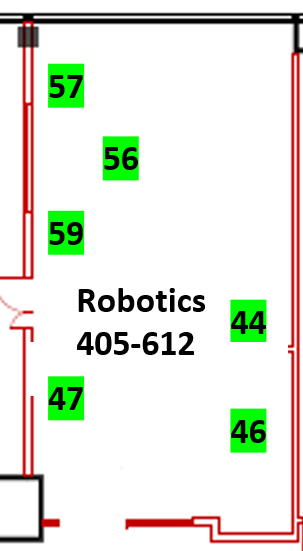
Robotics (405.612)
About this project
Create a navigation flight stack for a canopy samplying flying drone
using aerostack2 in ROS2, simulate and test it initially in gazebo in
ROS2, then integrate with the drone created my mechanical engineering
students and test it in real world conditions, on 1 or more aerial
tasks.
Where to find it
Robotics (405.612)
Look for 44 on the floor plan.
Steven Huang and Kevin Wang
Category
AI & Machine Learning A
Supervisor
Avinash Malik
Location
Embedded Systems (405.760)
About this project
Heart diseases are a major cause of mortality throughout the world. Planning compelx cardiac surgeries is an expensive and difficult problem. In this project we want to reduce the burden on the cardiologist and the patient when planning complex cardiac surgeries.
The inverse problem of electrocardiography aims to detect heart problems (cardiac arryhthmias) without surgical intervention. The aim is to lead the cardiologist to the correct problem area on the heart during surgery planning without pre-surgical intervention.
Our group has made significant progress in addressing this problem. We have developed AI techniques in conjunction with signal processing to address the inverse problem of electrocardiography. We can predict arryhthmias on the heart surface looking at enhanced ECGs (Electrocardiographs) obtained from just body surface.
However, some major issues remain: (1) we want to incorporate patient specific geometry within our AI models, (2) We want to capture temporal relatioship of the beating heart within our AI models.
The project will use clinical data collected on Animal experiments when developing and enhancing our AI models. The project will be co-supervised by ABI colleague in conjunction with ECSE.
Where to find it
Embedded Systems (405.760)
Look for 45 on the floor plan.
Nico Abrasado and Glen Malbog
Category
Robotics
Supervisor
Bruce MacDonald
Co-supervisor
Ho Seok Ahn
Location
Robotics (405.612)
About this project
This project will take the next step in designing an advanced
companion robot for interacting with and helping humans. Starting with
the first design, from the 2025 project, this will involve designing a new
robot, making it, and programming it to interact with people, using an
AI chatbot.
Where to find it
Robotics (405.612)
Look for 46 on the floor plan.
Yashna Kumar and Toma Mirchevska
Category
Robotics
Supervisor
Bruce MacDonald
Co-supervisor
Ho Seok Ahn
Location
Robotics (405.612)
About this project
Investigate the Petoi robot systems, analyse the options, order and acquire the most promising versions, and evaluate them for research robots and as teaching robots. Create exemplar applications to show the potential for research, and possible teaching assignments for students.
Where to find it
Robotics (405.612)
Look for 47 on the floor plan.
Andrew Jeon and Kevin Kim
Category
AI & Machine Learning C
Supervisor
Jing Sun
Location
MDLS (405.559)
About this project
Dementia is a complex and progressive neurodegenerative condition that often affects mobility, spatial awareness, and decision-making. Individuals living with dementia may frequently walk around their homes or care facilities and, in some cases, exhibit wandering behaviour. This can expose them to significant risks, including falls, disorientation, and unsafe access to restricted areas. This project aims to develop an enhanced indoor activity tracking and risk management system based on video capture and computer vision technologies. By deploying privacy-aware cameras and intelligent video analytics, the system will continuously monitor resident movement patterns, detect abnormal behaviours, and identify potential safety risks in real time. Advanced AI models will be used to recognise activities such as prolonged wandering, sudden falls, or unusual inactivity, enabling timely alerts and interventions. The proposed system will support caregivers by providing visual analytics, behavioural summaries, and early warning notifications to improve situational awareness and care coordination. By combining non-intrusive monitoring with intelligent risk assessment, the project seeks to enhance resident safety while preserving personal freedom and dignity. The effectiveness of the solution will be evaluated through pilot deployments and quantitative analysis of detection accuracy, response time, and caregiver satisfaction.
Where to find it
MDLS (405.559)
Look for 48 on the floor plan.
JooHyun Kang and Richman Tan
Category
AI & Machine Learning C
Supervisor
Jing Sun
Location
MDLS (405.559)
About this project
Dementia care requires timely access to accurate, personalised, and well-organised digital resources to support healthcare professionals, caregivers, and family members. However, existing information systems are often fragmented, difficult to navigate, and insufficiently adapted to the evolving needs of individuals living with dementia. This project aims to develop DementiaGuide AI, an AI-powered avatar-based digital resource management platform for dementia care. The system will provide an intelligent, interactive avatar interface to assist users in accessing, organising, and personalising care-related resources, including medical guidance, daily activity plans, cognitive support materials, and community services. By integrating domain-specific dementia care knowledge, adaptive personalisation models, and secure data management mechanisms, the platform will deliver relevant, timely, and user-centred information. Through conversational interaction and continuous feedback, DementiaGuide AI will support informed decision-making, reduce caregiver burden, and enhance care coordination. Ultimately, the project seeks to improve care quality, consistency, and sustainability in dementia support services.
Where to find it
MDLS (405.559)
Look for 49 on the floor plan.
Shazeel Ali and Thomas Dickson
Category
Games & Education Aids B
Supervisor
Talia Xu
Location
MDLS (405.559)
About this project
By harnessing wearable technology and the power of gamification, can we help people take care of themselves better, with a more focused and personal approach to motivating self-care?
We plan to use the hackable nature of the Pebble smartwatches to allow us to develop an application that helps utilise gamification tools, such as daily streaks, smart notifications, and digital incentives, to aid people who may have trouble caring for themselves, whether because they are still young and trying to learn, or because they have some form of disability that impacts how they are able to care about themselves.
Our application will help incentivise healthy eating and drinking, as well as hooking into Pebble's existing APIs for tracking exercise and sleep. This data will help us to learn more about the user, and the app should help remind the user to drink and stretch regularly, get enough exercise, and other behaviours by using smart notifications, which take into account what the user is doing at the time (ie only sending a drink water notification after steps have been taken after a long period of not walking - which may suggest that the user has been working at a desk and that they are free to drink water). We are also conscious of the fact that making self-care as accessible and effort-free as possible is the best way to help people take care of themselves, and our app will reflect that, with the user-interface making use of the hardware buttons to provide an easy and quick to navigate interface.
Where to find it
MDLS (405.559)
Look for 50 on the floor plan.
Matheus Geronasso and Leon Lei
Category
Power Electronics
Supervisor
Duleepa Thrimawithana
Location
Green Electronics (405.712)
About this project
Delivering energy to AI servers efficiently while minimising the power converter's footprint is becoming increasingly challenging due to rapidly growing power demands. Currently, both academia and industry are trying to solve this challenge using numerous technologies. Among the possible solutions, a high-temperature superconductor (HTS) bus to distribute energy within a server farm is one of the most attractive, as HTS presents no losses at DC.However, coupling the DC HTS bus, which will be housed in a vacuum environment at cryogenic temperatures (below 77K), to AI processors operating at room temperature is challenging.Although efficient cryogenic power converter technologies have been developed recently, no established method for transferring power from cryogenic to room-temperature environments has been developed. This project aims to develop a high-density converter using inductive power transfer technology to allow power coupling from a DC HTS bus to a load at room temperature.
Where to find it
Green Electronics (405.712)
Look for 51 on the floor plan.
Daniel Tieu and Sam Ye
Category
Green Energy Technologies
Supervisor
Dariusz Kacprzak
Location
Control & Signal Processing (405.722)
About this project
This project aims to critically evaluate the suitability of Tunnel Magneto-Resistance (TMR) current sensing as a replacement for traditional shunt-based and Hall-effect current sensing in ultra-low-power, battery-operated systems.The project will investigate:- Energy savings achievable by replacing shunt resistors with TMR sensors in low-current applications.- The impact of different sensing methods (TMR, shunt, Hall-effect) on system efficiency, battery life, and power loss.- Measurement performance of TMR sensors, including accuracy, resolution, and noise at very low currents.- Practical implementation challenges, such as signal conditioning, calibration, o
Where to find it
Control & Signal Processing (405.722)
Look for 52 on the floor plan.
Arnav Bhatiani and Phoebe Fung
Category
Games & Education Aids A
Supervisor
Jesin James
Co-supervisor
James Tizard
Location
Control & Signal Processing (405.722)
About this project
Large language models (LLMs) have rapidly advanced in their ability to generate code, explanations, and structured solutions to complex technical problems. Their growing accessibility has raised significant questions for higher education, particularly in software engineering, where assessments often rely on written explanations, problem solving, and coding tasks. If an AI system can successfully complete university-level assessments, this challenges assumptions about what current assessment methods truly measure and whether they adequately distinguish genuine understanding from pattern recognition.
This project investigates the performance of LLMs on real university-level software engineering assessments and compares their outputs with those of human students. Using representative tests and assignment-style tasks drawn from software engineering courses, one or more LLMs will be used to generate solutions under controlled conditions. Where permitted, anonymised student submissions or official sample solutions will be collected to establish a meaningful comparison baseline.
All solutions will be evaluated using consistent marking rubrics aligned with those used in the original assessments. Performance will be analysed across multiple dimensions, including correctness, quality of reasoning, clarity of explanation, and robustness to small variations in problem statements. In addition to overall scores, qualitative analysis will be conducted to identify common failure modes, such as hallucinated assumptions, brittle reasoning, or superficial explanations that mask underlying gaps in understanding.
The expected outcomes of this project include identifying categories of tasks where LLMs match or exceed student performance, as well as areas where they consistently struggle. These findings will provide insight into the current capabilities and limitations of LLMs in an academic context, and offer evidence-based reflections on the design of software engineering assessments in an AI-available world. Ultimately, this project aims to contribute to informed discussion around assessment validity, academic integrity, and the future of software engineering education.
Where to find it
Control & Signal Processing (405.722)
Look for 53 on the floor plan.
Soroush Naseh and Daniela Rojas Vargas
Category
Power Electronics
Supervisor
Abhisek Ukil
Location
Power Systems (405.628)
About this project
With increasing penetration of inverter-based resources (IBRs) such as solar PV and battery systems, modern distribution networks are becoming inverter-dominated and increasingly weak and distorted due to high feeder impedance and nonlinear loads. Traditional grid-synchronous machines naturally provide inertia and harmonic damping, but grid-forming inverters, which are designed to establish voltage and frequency without an external reference, exhibit different dynamic behaviour in such weak and harmonic-rich environments. Their control strategies must therefore be robust not only to load changes and weak grid conditions but also to voltage distortion and significant harmonic content that arise from distributed power electronics and nonlinear loads.This project focuses on modeling, designing, and evaluating grid-forming inverter control strategies, specifically classical droop control and virtual synchronous machine (VSM) control, in distribution networks characterized by low short-circuit ratio (weak grid) and harmonic distortion. Through detailed simulation in MATLAB/Simulink and Simscape Electrical, the team will quantify stability, transient response, and voltage/frequency regulation under a range of operating scenarios, including harmonic injection and unbalanced conditions. The goal is to identify control limitations and propose modifications or tuning guidelines that improve stability and power quality performance in realistic distribution network conditions.
Where to find it
Power Systems (405.628)
Look for 54 on the floor plan.
Lucy Lian
Category
Intelligent Systems & Control
Supervisor
Nitish Patel
Location
Control & Signal Processing (405.722)
About this project
This project aims to develop and evaluate a feature-driven anomaly detection machine learning algorithm for time-series data. The project focuses on designing a feature-based learning pipeline capable of detecting anomalous patterns in time-series datasets.The project will begin with by developing benchmarking learning algorithms, using existing machine learning algorithms for anomaly detection problems in time-series datasets. This includes supervised, semi-supervised, and unsupervised learning algorithms.The proposed anomaly detection algorithm will be implemented in Python using widely adopted machine learning libraries (such as tsfresh, tsflex, sklearn, matplotlib, seaborn, optina, pymc, etc…)Furthermore, optimisation algorithms will be employed in order to ensure high performance (as defined by evaluation metrics) for each dataset. This implementation will be modular, allowing systematic experimentation with different feature learning algorithms.To evaluate the effectiveness of the developed algorithm, it will be benchmarked against established anomaly detection models (as mentioned above). Benchmarking will be performed using multiple time-series datasets with different signal characteristics. Evaluation metrics will be researched, discussed with supervisory team, and utlised (where applicable) in order to refine the aforementioned learning algorithms.
Where to find it
Control & Signal Processing (405.722)
Look for 55 on the floor plan.
Ivory Huang and Chaeeun Lee
Category
Human Computer Interactions
Supervisor
Ho Seok Ahn
Co-supervisor
Bruce MacDonald
Location
Robotics (405.612)
About this project
Natural language interfaces have become increasingly practical for everyday computing, driven by significant progress in conversational AI. In contrast, meaningful interactions in robotics still frequently depend on platform-specific commands and interaction patterns, and enhancing conversational abilities via LLM still lack the non-verbal expressiveness that is fundamental to human communication in a physical context which robots inhabit. This limits how easily robots can support natural communication and role-based behaviour.This project focuses on addressing this discrepancy by enabling robot-to-robot communication that is comprehensible and interpretable by humans. Instead of exchanging abstract signals, robots will communicate using synchronized speech and expressive co-speech motions, allowing humans to observe, understand, and potentially participate in robot interactions.By improving the legibility of robot-robot communication, this work aims to enhance human trust, engagement, and understanding in multi-agent human-robot interaction within a tour-guide context that introduces a robotics laboratory and its robots to visitors. Building on the platform-level robot communication foundation developed in last year’s project (including role-adaptive behaviour and a modular architecture), we will aim to implement a system-level prototype that operates in a concrete usage context. Specifically, the robot will carry out an end-to-end guidance scenario that includes welcoming visitors, introducing the laboratory, presenting and demonstrating robots, and handling basic question-and-answer interactions.Through this system, the robot will be able to communicate information about the laboratory in a clearer and more engaging way that follows human conversational practices, and in presenting each robot’s features and capabilities through interactive demonstrations. Finally, we will evaluate the clarity and naturalness of the guidance experience through scenario-based testing and user feedback, and establish a foundation that can be extended for future laboratory outreach and human-robot interaction demonstrations.
Where to find it
Robotics (405.612)
Look for 56 on the floor plan.
Cole Brown and Reuben Starke
Category
AI & Machine Learning E
Supervisor
Ho Seok Ahn
Co-supervisor
Bruce MacDonald
Location
Robotics (405.612)
About this project
This project aims to develop an updated version of an existing healthcare robot system based on the current working platform. The project will migrate the existing Windows-based software to an Ubuntu environment and extend the system to control the robot’s arms and head in order to express emotions. Face detection and recognition, as well as a chatbot module, will be integrated if required. Deep neural network (DNN) models may be trained to improve the accuracy of existing methods. All necessary hardware and devices will be provided.
The project includes the following components:
Building upon the current working system
Converting Windows-based software to an Ubuntu environment
Controlling the robot’s arms and head for emotional expression
Integrating existing chatbot and face-processing modules.
The final project scope will be determined after discussions with the supervisors. The candidate is expected to bring a strong passion for research and engineering, excellent computing skills (including a high level of programming ability), and a strong sense of responsibility. Experience in vision processing and/or the use of deep neural networks would be an advantage.
Where to find it
Robotics (405.612)
Look for 57 on the floor plan.
Amir Mahdian and Aryan Walanj
Category
AI & Machine Learning E
Supervisor
Ho Seok Ahn
Co-supervisor
Bruce MacDonald
Location
Robotics (405.652)
About this project
This project aims to develop an autonomous robot soccer system capable of playing a soccer game without human intervention. The project is inspired by MiroSot, a well-known robot soccer competition used in the New Zealand Robot Soccer Championship. In this project, a new game format will be developed using three smaller and lighter robots fabricated with 3D printing and operated on a reduced-scale field. Example code and all necessary hardware will be provided.
The project includes the following components:
Designing the scale and rules of the game
Developing the robot body and circuit board
Developing vision and strategy software
Implementing and demonstrating an engaging and competitive game.
The final project scope will be determined after discussions with the supervisors. The candidate is expected to bring a strong passion for research and engineering, excellent computing skills (including a high level of programming ability), and a strong sense of responsibility.
Where to find it
Robotics (405.652)
Look for 58 on the floor plan.
Eddie Kim and Jeruh Kim
Category
AI & Machine Learning E
Supervisor
Ho Seok Ahn
Co-supervisor
Trevor Gee
Location
Robotics (405.612)
About this project
This project aims to develop an interactive social guide robot that can converse with visitors at university reception areas and laboratories. A working prototype has already been developed using a recent chatbot solution. Reinforcement learning and/or deep neural networks (DNNs) may be employed as needed. Given textual input, the chatbot generates appropriate spoken responses by taking the conversation history into account and moving to the destination with social navigation strategy. The project is part of an ongoing five-year research initiative, SHRI, and will involve close collaboration with PhD students and professional staff. All necessary hardware and devices will be provided.
The project includes the following components:
Conducting a literature survey on interactive human–robot conversation and social navigation
Investigating methods to model relationships and conversation history
Applying a chatbot framework
Integrating the chatbot with a robotic platform (e.g., Pepper, Silbot robot)
Implementing social navigation on the robot platform
Evaluating the system’s performance
The final project scope will be determined after discussions with the supervisors. The candidate is expected to bring a strong passion for research and engineering, excellent computing skills (including a high level of programming ability), and a strong sense of responsibility.
Where to find it
Robotics (405.612)
Look for 59 on the floor plan.
Kalupahana Bhanuka and Damian Robertson
Category
Embedded Systems A
Supervisor
Partha Roop
Co-supervisor
Partha Roop
Location
Green Electronics (405.712)
About this project
Modern power electronics and high-performance computation demand continuous improvements in logic density and energy efficiency. One promising area to achieve these gains is the use of cryogenics, specifically, cooling silicon to temperatures below -150°C to exploit reduced leakage currents and increased carrier mobility. However, despite their potential use in extreme environments like space exploration or quantum computing, standard Commercial Off-The-Shelf (COTS) FPGAs are rarely rated for operation below -40°C. Consequently, there is a lack of empirical data regarding the reliability of Low-Power and Low-Cost COTS devices in these areas. This project aims to characterise the performance of a custom Intel Max V CPLD and Max 10 FPGA under cryogenic conditions, specifically quantifying power efficiency to determine the feasibility of AI. Should the chosen devices prove unsuitable for cryogenic operation, the scope will extend to identifying and characterizing alternative low-power COTS candidates.
Outcomes
Outcomes:
Where to find it
Green Electronics (405.712)
Look for 60 on the floor plan.
Rebekah Massey and Diya Vakhariya
Category
Games & Education Aids B
Supervisor
Jesin James
Location
Control & Signal Processing (405.722)
About this project
Live concerts and performances play a crucial role in the music industry. However, they introduce audio challenges rarely encountered in controlled studio environments, including background noise, phase inconsistencies, vocal distortion, and performance-related pitch inaccuracies. Existing traditional approaches to address these issues, such as manual post-processing, extensive sound checks, or re-recording, are time-consuming, costly, and compromise the authenticity and spontaneity of live performances. While studio-based vocal enhancement techniques are well established, there is a lack of effective real-time solutions explicitly made for live vocal performances.
This project proposes to investigate real-time vocal enhancement for singers, with a secondary focus on providing immediate feedback to practising or learning vocalists. The primary research question is: How can real-time audio signal processing techniques be designed and evaluated to enhance live vocal quality, improving intelligibility, tuning, and clarity while preserving natural vocal expression? We aim to develop and analyse a real-time system that improves live vocal performances without introducing artificial elements.
Existing studies have demonstrated that real-time vocal enhancement in noisy environments is achievable, with techniques such as LSTM (long-short term memory) -based models and time–frequency masking showing significant improvements in vocal clarity under real-time constraints. These findings establish the relevance and feasibility of real-time vocal enhancement for live performance contexts. Building on this foundation, the proposed work will investigate real-time vocal enhancement and analysis techniques, including source separation, adaptive noise suppression, pitch-related processing, and spectral analysis, to improve vocal quality and comprehensibility in live performance scenarios.
Beyond vocal enhancement, the project will explore the potential integration of digital signal processing with pedagogical feedback. This may include investigating the viability of providing real-time visual or auditory feedback for pitch tracking or spectral displays that support vocal training, subject to technical and performance constraints.
Where to find it
Control & Signal Processing (405.722)
Look for 61 on the floor plan.
Henry Ly and Will Massam
Category
Games & Education Aids B
Supervisor
Allan Fowler
Location
Radio Systems (405.736)
About this project
Inspiring children to appreciate and safeguard endemic species is crucial. Embodied learning experiences enhance their connection with nature, increasing empathy and environmental awareness. However, urban sprawl has reduced opportunities for meaningful engagement with natural environments. Kaimanaki o te Ngahere: Guardians of the Forest will be a narrative-driven educational game designed to reconnect children aged five-to-eight with Aotearoa’s native ecosystems. The game will introduce Māori concepts of kaitiakitanga, mramatanga, and whanaungatanga to encourage reciprocal care between players and the forest. It aims to raise awareness of Myrtle Rust affecting native trees. Recognising that traditional environmental education may not resonate with young learners, we use storytelling to frame the gameplay experience. Prakau fosters deep relational learning, shaping the player’s journey as they navigate environmental challenges through interactive storytelling.
Where to find it
Radio Systems (405.736)
Look for 62 on the floor plan.
Connor Hare and Ibrahim Waheed
Category
AI & Machine Learning D
Supervisor
Allan Fowler
Co-supervisor
Robert Amor
Location
Radio Systems (405.736)
About this project
This project investigates how Large Language Models (LLMs) can be integrated with haptic technologies to create intelligent, adaptive, and context‑aware tactile feedback systems. By leveraging the real‑time reasoning, pattern recognition, and multimodal processing capabilities of modern LLMs, the project aims to advance the control, generation, and personalisation of haptic stimuli across interactive environments.
The research has two core objectives. First, it explores how LLMs can dynamically modulate haptic parameters—such as intensity, frequency, rhythm, and spatial patterns—based on user behaviour, task demands, or in‑game events. The project will compare LLM‑driven adaptation against traditional rule‑based or algorithmic methods to evaluate improvements in task efficiency, user immersion, perceived agency, and overall experience. A key application domain will be serious games, where personalised tactile cues could guide learning, influence decision‑making, or enhance engagement.
Second, the project examines how LLMs can generate haptic cues from other sensory inputs, such as visual scenes, audio signals, or gameplay telemetry. By interpreting multimodal information, the LLM could autonomously design haptic effects that are meaningful, contextually aligned, and emotionally resonant. This includes generating tactile sensations that correspond to environmental events, character actions, or narrative beats, providing a richer and more coherent multisensory experience.
Overall, the project aims to develop and evaluate a new class of “adaptive haptic intelligence” systems, where LLMs act as real‑time mediators between user behaviour, multimodal cues, and tactile feedback. The outcomes will contribute to emerging research at the intersection of AI, human–computer interaction, haptics, and immersive media, offering new opportunities for personalised learning, game design, accessibility, and interactive storytelling.
Where to find it
Radio Systems (405.736)
Look for 63 on the floor plan.
Daniel Kim and Toshiro Ramos
Category
AI & Machine Learning A
Supervisor
Jesin James
Location
Control & Signal Processing (405.722)
About this project
Across the Pacific, many Indigenous languages remain underserved by modern speech technologies, limiting access to education, services, and digital tools. While major world languages benefit from large datasets and mature infrastructure, most Polynesian languages are low-resourced despite deep linguistic connections across the region.
This project explores how linguistic similarity and modular system design can accelerate the development of text-to-speech (TTS) technology for several Polynesian languages. Building on existing foundational work for New Zealand Māori and Cook Islands Māori, and leveraging existing data and relationships with language communities (including Cook Islands Māori, Hawaiian, Marquesan, and Mangarevan, with connections to Niuean, Tokelauan, Samoan, and Tongan), the project will prototype a cross-linguistic TTS pipeline.
Students will investigate shared phonological and morphological features across Polynesian languages and test how these can support model transfer, reduce data requirements, and enable scalable development for related languages.
Where to find it
Control & Signal Processing (405.722)
Look for 64 on the floor plan.
Brandon Chan and Daniel Munn
Category
Web, Cloud & Applications
Supervisor
Jun Seo
Co-supervisor
Yu-Cheng Tu
Location
MDLS (405.569)
About this project
Practical, hands‑on skills are essential to modern cybersecurity practice, yet many undergraduate cybersecurity-related courses remain heavily theory‑focused. This creates a clear need for learning experiences that mimic real-world security workflows and professional practices, such as ethical hacking, vulnerability discovery, incident response, and secure system configuration.
Such experiences can be delivered through a platform capable of hosting interactive security scenarios similar to those found in cyber range or CTF environments. This platform must support hundreds of simultaneous learners, requiring robust engineering around scalability, high-concurrency performance, secure sandbox isolation, automation, and comprehensive monitoring.
To this end, students will engage in comprehensive software-engineering work to design, develop, and evaluate this platform, spanning requirements analysis, architecture design, secure implementation, and large-scale testing. The platform is expected to provision isolated challenge environments, integrate automated assessment, and support behavioural analytics.
Where to find it
MDLS (405.569)
Look for 65 on the floor plan.
Lanna Lagasca and Wallace Wu
Category
Human Computer Interactions
Supervisor
Allan Fowler
Location
MDLS (405.569)
About this project
As generative AI (GenAI) becomes integrated into higher education, students must learn to use AI not as a shortcut but as a partner in self‑regulated learning (SRL). SRL—including planning, monitoring, strategy use, and reflection—is essential for effective complex problem‑solving (CPS). However, many learners lack explicit guidance on how to collaborate with AI in ways that enhance, rather than replace, these core skills.
This honours project investigates how a custom large language model (LLM) can be designed to actively scaffold SRL processes during authentic CPS tasks. The project combines literature review, empirical data gathering, and prototype development to generate practical insights for educators and learners.
Where to find it
MDLS (405.569)
Look for 66 on the floor plan.
Connie Ding and Shihoo Park
Category
AI & Machine Learning B
Supervisor
James Tizard
Location
HASEL (405.662)
About this project
With the rapid advancement of AI technology, software development has also seen a rise in LLM-generated content across planning, implementation, and maintenance. Specifically, AI has transformed how developers approach creating, updating and maintaining technical documentation, reducing the need for traditional labour-intensive methods. This shift highlights the importance of documentation quality and raises a key question about validity: how well do these AI-generated outputs align with established best practices?The project aims to investigate whether LLM-generated documentation follows conventional documentation standards spanning code comments, READMEs, PR descriptions, review comments etc. LLMs will be provided with a range of problem statements, code samples, and repository examples, and will be asked to generate specific types of documentation. The responses will be evaluated against a selected standard.By exploring how well LLM-generated documentation aligns with established practices, this project seeks to provide insights on the validity, accuracy and the practical readiness of AI-produced technical documentation in real-world software development contexts. It aims to determine whether these outputs meet the expectations of conventional documentation practices and what this indicates about the current capabilities and limitations of AI‑assisted documentation generation.
Where to find it
HASEL (405.662)
Look for 67 on the floor plan.
Eason Chang and Patrick Sheng
Category
Web, Cloud & Applications
Supervisor
Dev Singh
Co-supervisor
Kevin Sowerby
Location
Radio Systems (405.736)
About this project
Online voting has the potential to make New Zealand general elections more accessible, but it must provide strong guarantees of security, transparency and voter privacy. Existing blockchain approaches such as MACI address these requirements on a public network, but they rely on computationally expensive zero-knowledge proofs, which create a bottleneck when scaling to a national election (Kwon & Browne, 2025). This project instead implements a private, permissioned voting system on Hyperledger Besu using IBFT 2.0 consensus, where trust is placed in known validator nodes rather than in zero-knowledge proofs. The performance of the system is evaluated by measuring latency as the number of votes and validator nodes increases, and the findings are used to assess the suitability of permissioned blockchain frameworks for New Zealand general elections.
Where to find it
Radio Systems (405.736)
Look for 68 on the floor plan.
Hamza Nawaz and Prisha Singh
Category
Green Energy Technologies
Supervisor
Duleepa Thrimawithana
Location
Green Electronics (405.712)
About this project
High-temperature superconducting (HTS) magnets are increasingly used in modern applications such as nuclear fusion systems, plasma thrusters, superconducting motors, particle accelerators, and portable MRI machines. These magnets are typically excited using very large DC currents, often in the order of several kilo-amperes, to generate extremely high magnetic field strengths. Under DC excitation, HTS conductors exhibit near-zero electrical losses, making them highly efficient.
A key challenge, however, lies in injecting these large DC currents into the HTS magnet without introducing significant losses. The technology used to achieve this task is commonly referred to as a flux pump.
Among various topologies, the transformer-rectifier flux pump is one of the most widely adopted. Conventional designs employ large iron-core transformers and thermal HTS switches to achieve flux pumping. However, these components are heavy and slow, limiting their use in weight-critical sectors like aviation, space and portable MRIs. Consequently, there is significant interest in exploring solid-state alternatives that utilize air-core transformers operated at high frequencies to miniaturize the system.
This project intends to investigate the feasibility of using an air-cored or loosely coupled transformer, combined with a semiconductor-based half-wave rectifier, to develop a compact and lightweight flux pump. Students will also explore the feasibility of separating the primary and the secondary coils of the transformer to wirelessly energize the HTS magnet. The primary goal is to design a system capable of delivering excitation currents of up to 1 kA for next-generation HTS applications.
Where to find it
Green Electronics (405.712)
Look for 69 on the floor plan.
Co Cheng and Annie Li
Category
Power Systems
Supervisor
Nirmal Nair
Location
Power Systems (405.628)
About this project
This undergraduate final-year project focuses on the fault-oriented assessment of grid-forming inverters (GFMs) in mixed AC/DC low-voltage distribution networks, with particular emphasis on comparing offline and real-time electromagnetic transient (EMT) simulation approaches for fault analysis. As inverter-based resources and DC-connected devices are increasingly integrated into modern power systems, gaining a clear understanding of the fault response characteristics of grid-forming inverters at the low-voltage level has become an important research and engineering challenge.
The project adopts a dual-path collaborative research framework, in which two complementary simulation approaches are employed. One student will use PSCAD to develop an offline EMT simulation model of a mixed AC/DC low-voltage distribution network incorporating grid-forming inverter control. Within this environment, a range of representative fault scenarios—such as short-circuit faults, voltage sags, and fault clearance events—will be simulated to analyse the dynamic responses of GFMs in terms of voltage, frequency, and current under fault conditions.
In parallel, the second student will conduct real-time EMT simulations using RSCAD and the RTDS platform, based on the same network configuration and fault scenarios. The real-time simulation environment enables further investigation of time-sensitive dynamic behaviour, numerical stability, and real-time execution constraints that are difficult to fully capture using offline simulation tools.
After completing both simulation pathways, a systematic comparison between the offline and real-time simulation results will be performed, focusing on similarities and differences in fault response characteristics, dynamic performance, and modelling accuracy. This comparison will help assess the applicability and limitations of different EMT simulation approaches for fault-oriented analysis of grid-forming inverters.
Finally, subject to the availability of programmable inverter hardware, together with grid simulators and battery simulators, the project may be extended to include hardware-based fault validation experiments, further enhancing its engineering relevance and practical value.
Where to find it
Power Systems (405.628)
Look for 70 on the floor plan.
Rafe Beaman and Matthew Monaghan
Category
Power Systems
Supervisor
Nirmal Nair
Location
Power Systems (405.628)
About this project
Abstract:
SCADA Systems LTD are AutoCAD developers that create electrical and instrumentation design software. Some of their globally used software is called “Elecdes Design Suite” and “Paneldes”. It uses AutoCAD as its “engine” to operate. The project will involve researching and developing algorithms and programming an API that will determine: cable size guidance by voltage drop, cable size derating guidance by containment, protection device nominal rating from the cable's load, and protection device fault current rating based on several inputs. The program will have to take into account legal electrical wiring standards, and any other factors that affect the cables. For example, the voltage loss of power cables, load attachments, cable thermal qualities, the cable’s environment, and current-carrying capacity. This project is to be supported by SCADA Systems Ltd., who will be providing the Paneldes integration, a Gold sponsorship, and the two students with relevant technical information and, if needed, software licences.
Scope:
SCADA Systems' main products include software packages "Elecdes" (Electrical Design) and "Paneldes" (Panel Design). The software is used by engineering consultants in the areas of T&D (Transmission and Distribution), oil & gas, substations, switchgear, and relay panel engineering. Their clients have requested an additional function of "cable sizing" and "protection device sizing" to the current suite of electrical design tools, with particular focus on integration into Paneldes. The core of this project involves developing a C++ API that will be called by a basic web interface for testing, then eventually by Paneldes with relevant connection and catalogue information.
The API will be segmented to handle four primary functions:
1. Cable size guidance by voltage drop
2. Cable size derating guidance by containment
3. Protection device nominal rating from the cable's load
4. Protection device fault current rating
Research Focus:
As a research-oriented project, significant emphasis will be placed on:
● Gathering and analyzing existing international standards for voltage drops and cable sizing (including AS/NZS, NEC, CEC, and others)
● Researching current theoretical frameworks for cable calculations
● Investigating potential future calculations and methodologies that could be added to expand functionality
● Transforming research findings into practical API implementations
Technical Implementation:
The student team will develop a C++ backend API under SCADA's guidance. This API will be designed for easy integration, allowing Paneldes and other SCADA applications to call the API directly with component connection and specification data. A basic web-based frontend will be developed (using the student team's choice of web technologies) primarily for manual testing and validation purposes.
The initial implementation will focus on end-node/branch circuit calculations rather than full per-unit analysis including feeder circuits, as this provides a simpler starting point while delivering the bulk of critical time-saving functionality for customers.
Where to find it
Power Systems (405.628)
Look for 71 on the floor plan.
Dominic Fortes and Sam Tebbutt
Category
Power Systems
Supervisor
Nirmal Nair
Location
Power Systems (405.628)
About this project
Background
Low-voltage (LV) pillars and electrical enclosures are critical assets in electricity distribution networks and represent a credible fire-ignition risk due to confined geometries, polymeric construction materials, and the potential for sustained arcing and thermal degradation. Arc-fault and arc-flash events within these enclosed assets can lead to insulation failure, component ignition, and enclosure fires, posing risks to public safety, network reliability, and asset integrity.
Despite the significance of this risk, most existing research and protection approaches focus on system-level faults, with comparatively limited attention given to arc-induced fire mechanisms within LV pillars and enclosures. Recent Summer Research Projects conducted within the power systems research group, under FAN, have established a strong foundation in this area. These projects have addressed arc-ablation modelling, data extraction and analysis, tool development, and the design of controlled experimental setups for prolonged arcing and thermal testing in LV enclosures.
Initial modelling efforts, based primarily on literature datasets, have demonstrated feasibility but also highlighted key challenges related to parameter bounds, missing data, physical constraints, and model generalisation. At the same time, advances in sensing technologies, time-domain analysis, and data-driven modelling provide an opportunity to integrate arc physics, thermal degradation, and experimental validation into a coherent and application-focused research framework.
To address these challenges and to support the development of future power systems engineers, this project proposes engaging two Year 4 students from the University of Auckland to undertake an industry-aligned research project focused on arc-induced fire risk in LV pillars and enclosures.
This project is to be supported by WEL Networks through a Silver Industry Sponsored Project as per ECSE Collaboration Guide.
Objectives
The primary objectives of this project are to:
Investigate arc-fault and arc-flash initiation, evolution, and fire-ignition mechanisms within LV pillars and enclosed assets.
Develop and refine physically constrained arc-ablation and thermal degradation models using extracted and experimental data.
Identify and evaluate arc-detection indicators relevant to enclosed LV assets (e.g. electrical, thermal, optical, and acoustic signatures).
Design and implement laboratory-scale experimental frameworks for sustained heating, arcing, and fire-risk assessment.
Translate research findings into practical guidance for fire-risk assessment and mitigation strategies for distribution network assets.
Provide students with hands-on experience in applied power systems research with strong industry relevance.
Scope of Work
The students will work on the following tasks:
Review and analyse existing datasets from prior summer research projects and relevant literature.
Extract key arc-ablation, thermal, and degradation parameters relevant to LV pillars and enclosures.
Develop and refine arc-ablation and thermal models using physically constrained optimisation techniques.
Assess model robustness, parameter sensitivity, and generalisation across multiple datasets.
Evaluate potential arc-fault and fire-risk indicators, including electrical, thermal, optical, and acoustic signatures.
Assess the applicability of these indicators for enclosed LV assets.
Design laboratory-scale experimental setups for sustained arcing and thermal testing in LV enclosures.
Define test protocols, validation metrics, and benchmarking approaches.
Prepare a comprehensive technical report summarising methodology, findings, limitations, and recommendations.
Translate outcomes into practical guidance for LV pillar fire-risk assessment and mitigation.
Where to find it
Power Systems (405.628)
Look for 72 on the floor plan.
Jeremy Muldoon and Robert Ward
Category
Power Systems
Supervisor
Nirmal Nair
Location
Power Systems (405.628)
About this project
Background
The rapid integration of large-scale solar farms into New Zealand’s power grid has introduced new challenges, particularly in managing harmonic distortions. Research indicates that the most efficient method for addressing harmonic distortion is not always at the source (i.e., the solar farms). Moreover, installing multiple harmonic filters across various sites can complicate harmonic management, creating additional challenges for grid operators.
To address these issues and nurture future engineering talent, Lodestone proposes engaging two Year 4 students from the University of Auckland to collaborate on a harmonic study. The study will focus on harmonics measured at recent solar farm installations, how these compare to harmonic studies undertaken prior to their construction and explore harmonic solutions from a network-wide and regulatory policy perspective.
The outcomes of this study will provide valuable insights for both electricity distribution businesses (EDBs) and developers, enabling them to better manage harmonic risks during the development and planning stages of solar farm projects.
This project will be sponsored by Lodestone Energy under the Bronze Category of Industry Engagement Models of ECSE Part IV projects
Objectives
The primary objectives of this engagement are:
To analyse harmonic impacts associated with recently installed large-scale solar farms connected to the New Zealand power grid.
To assess the measured harmonics against modelled harmonic studies that were undertaken for these solar farms prior to construction.
To develop cost effective mitigation strategies for harmonic distortions.
To review current market rules, including the existing liability structure and recommended changes in liability allocation between generators and networks as a general public good.
To provide students with hands-on experience in a critical area of power systems engineering
Scope of Work
The students will work on the following tasks:
Data Analysis: Collect and analyse harmonic data from existing solar farm projects, prior harmonic simulations and the EDB’s network (where data is available i.e. Powerco, Top Energy, Horizon).
Harmonic Modelling: Use software tools (e.g., PowerFactory) to simulate harmonic distortions under various grid scenarios.
Mitigation Strategies: Explore and evaluate measures to reduce harmonic distortions, such as filtering techniques or grid code adjustments (e.g., harmonic allocation method).
Policy Change: Review the existing liability structure and recommended changes in liability allocation between generators and networks.
Reporting: Prepare a comprehensive report summarising findings and recommendations.
Where to find it
Power Systems (405.628)
Look for 73 on the floor plan.
Leo Chu and Harry Ma
Category
Games & Education Aids A
Supervisor
William Lee
Co-supervisor
Yuanyuan Hu
Location
Radio Systems (405.736)
About this project
Many engineering courses are conceptually challenging, and students can sometimes feel disengaged, especially with the amount of digital information they are exposed to. To improve learning and engagement, first-year engineering courses now use in-class cooperative exercises, where students work together to solve problems.
Teaching staff have noticed that students often use different problem-solving approaches when working in groups, and these differences can be influenced by group composition, including gender. With female students only making up about 23% of the engineering cohort, it is important to better understand how diverse teams collaborate and learn together.
This project explores how students of different genders work together and solve problems during in-class group activities. You will review relevant research, collect and analyse real classroom data, and use both quantitative and qualitative methods to draw meaningful conclusions. The goal is to generate practical insights that can help improve teamwork, inclusivity, and learning in engineering education.
Where to find it
Radio Systems (405.736)
Look for 74 on the floor plan.
Dhruv Erinjery and Jinhao Zhang
Category
Software Tools & Processes B
Supervisor
Jing Sun
Location
MDLS (405.569)
About this project
This project explores the use of Large Language Models (LLMs) to automate the modernisation of legacy software systems. Legacy codebases are often poorly documented, difficult to maintain, and incompatible with modern technologies. By leveraging the code understanding, transformation, and generation capabilities of LLMs, this project aims to develop an intelligent upgrade framework that can analyse outdated code, recommend improvements, refactor components, and assist in migrating systems to newer platforms or architectures. The proposed approach integrates static analysis, prompt engineering, and validation techniques to ensure reliability, maintainability, and compliance with contemporary software standards. The overall goal is to reduce the cost and risk of system modernisation while accelerating digital transformation across industries.
Where to find it
MDLS (405.569)
Look for 75 on the floor plan.
Diya Kurien and Tanmayi Pagadala
Category
Software Tools & Processes A
Supervisor
Kelly Blincoe
Location
HASEL (405.662)
About this project
The software industry lacks diversity. Recent research has theorised that software development tools can have inbuilt biases, making them easier to use for people who think in a certain way. For example, GitHub, a commonly used software tool, has been found to have missing information, unclear terminology, and unexplained processes. This can make GitHub non-intuitive for people with process-oriented learning styles as they prefer to have complete information before starting a task.
This project will select a common software development tool or practice and investigate potential inbuilt biases in-depth by designing a lab experiment. A set of recommended changes to the selected software tool or practice will be derived through this investigation. These changes will be validated through further experiments if time allows.
Where to find it
HASEL (405.662)
Look for 76 on the floor plan.
Nadia Askari and Oorja Gandhi
Category
Software Tools & Processes A
Supervisor
Kelly Blincoe
Location
HASEL (405.662)
About this project
Modern software systems rely on external libraries and other software components to provide reusable functionality. As these libraries evolve and release new versions containing enhancements, bug fixes, and security patches, dependent software systems must update their dependencies to stay secure and functional. However, updating dependencies can introduce software failures, particularly when new versions contain breaking changes.
This project will conduct an in-depth investigation into changes made in client projects in response to library breaking changes. The main focus will be on semantic or behavioural breaking changes.
Where to find it
HASEL (405.662)
Look for 77 on the floor plan.
Anna Chibel and Minseo Kim
Category
Software Tools & Processes A
Supervisor
Kelly Blincoe
Location
HASEL (405.662)
About this project
AI-assisted software development and agentic AI are transforming software engineering. This project will conduct an empirical study examining impacts in open source software (OSS) projects through an examination of data available on GitHub. Potential investigations include:
- Examining how projects are adapting their contribution guidelines, review processes, or community norms in response to AI contributions.
- Examining responses from maintainers to likely AI-generated pull requests in OSS repositories.
- Examining AI attributions in OSS pull requests.
- Examining whether there are changes in quantity or quality of contributions over time since AI adoption.
- Examining the AIDev dataset, which captures agent-authored pull requests (Agentic-PRs) from real-world GitHub repositories.
Where to find it
HASEL (405.662)
Look for 78 on the floor plan.
Subeen Ban and Daniel Kim
Category
AI & Machine Learning B
Supervisor
Andrew Meads
Co-supervisor
Yu-Cheng Tu
Location
MDLS (405.559)
About this project
The goal of this project is to build a system that analyses short lecture recordings and provides feedback on teaching delivery. The system will focus on simple delivery features such as pacing, question frequency, tone, and clarity. These delivery features can affect how well students follow a lecture, but they are hard to judge without external feedback.Many lecturers, especially new teaching assistants and first-time instructors, struggle with basic delivery issues such as speaking too fast or too slowly. In most cases, feedback is only given at the end of the semester, which means any changes come too late to help current students. Peer observation is sometimes used to address this, but it can be uncomfortable and is not always practical to organise.The project will involve building a web-based system where educators can upload short lecture video clips, usually between 5 and 15 minutes long. Short clips are used to keep the system simple and manageable, while still containing enough speech to analyse delivery. The uploaded videos will be processed using speech-to-text tools, along with basic natural language processing and audio analysis.The system will measure things like words per minute, pauses in speech, how often questions are asked, and changes in vocal tone during the clip. These values will be used to point out parts of the lecture where delivery may be an issue, such as sections that are spoken too fast, too slow, or with little variation in tone.The feedback by the system is intended for private use and self-reflection, rather than formal evaluation. This makes the system particularly suitable for beginner instructors who want to practise and improve their delivery. The project also considers how automated feedback could help support more consistent teaching quality across larger teaching teams.
Where to find it
MDLS (405.559)
Look for 79 on the floor plan.
Grace Xu and Kimberley Zhu
Category
AI & Machine Learning B
Supervisor
Andrew Meads
Location
MDLS (405.559)
About this project
As the use of artificial intelligence and large language models (LLMs) become increasingly integrated into educational settings, teachers are exploring their potential to support the assessment of student work. However, there are concerns regarding the accuracy, consistency, fairness and transparency of using AI to mark course-work. This project aims to investigate how reliably LLMs can evaluate student coursework when guided by rubric-based criteria, and how their performance compares to that of human markers.This project will examine both widely available LLMs and a custom-trained LLM, designed specifically for rubric-based marking. Using a dataset of previously marked assignments, the project will analyse the extent to which each system can replicate human-assigned grades, satisfy rubric requirements and provide well-justified reasons for its decisions. The differences between the AI and human feedback will also be analysed to uncover any sources of unfairness or bias.Ultimately, this project aims to determine whether AI-based marking tools can perform at a standard comparable to human markers. It also aims to identify where biases can potentially occur. By evaluating fairness, accuracy and transparency of AI assessments, we hope that our findings can contribute to informed discussions on the responsible use of AI in learning. The findings of this project may also help educational institutions alleviate marking workload, while maintaining student trust that their work is being evaluated fairly.
Where to find it
MDLS (405.559)
Look for 80 on the floor plan.
Atul Kodla and Tyler Young
Category
Games & Education Aids A
Supervisor
Andrew Meads
Co-supervisor
David Huang
Location
MDLS (405.559)
About this project
This research proposes the development of a software system that defies traditional lecture-based education by transforming them into interactive, modular learning experiences. Based on shared student experiences, a common theme we identified was that conventional lectures (live or recorded) were received as largely passive and linear, and therefore were difficult to engage with. In addition, with the evolution of digital technology, notably artificial intelligence, accelerating rapidly, yet it is becoming increasingly clear that academic institutions have been slow to meaningfully adopt and utilise proven digital educational tools. Our research investigates how software-driven transformation can convert lecture content into actively interactable educational material, and evaluates the effectiveness of this approach. This transformation system aims to automate organisation of lecture material into structured sections, enabling learners to engage with content in a more flexible and non-linear manner. To encourage active engagement, the system integrates assessment elements directly within the learning experience. Interactive prompts and questions are introduced alongside relevant content, encouraging learners to reflect on and apply ideas as they are presented. This shifts learning away from purely passive consumption toward ongoing engagement and formative feedback. The system will also generate structured learning aids that highlight key concepts and ideas. These materials are closely linked to the original lecture content, enabling learners to move easily from concise summaries to more detailed explanations. By breaking educational content into manageable chunks, the approach accommodates different learning preferences, supports self-paced study, and aims to nurture a love of learning.
Where to find it
MDLS (405.559)
Look for 81 on the floor plan.
Alex Facer and Mark Guo
Category
Power Electronics
Supervisor
Udaya Madawala
Co-supervisor
Nitish Patel
Location
Power Electronics (405.614)
About this project
Semiconductor switches, employed in electronic power converters, are invariably subjected to thermal stresses due to their switching and conduction losses. To improve reliability, thermal stresses on any device must be kept at a safe level and this is achieved by maintaining the device temperature at a desired value through cooling which can be in the form natural with a heatsink, forced with a fan or liquid. This project aims to harvest energy lost as heat in a device to generate electricity to provide cooling for the device itself. Students of this project are expected to carry-out a thorough investigation into thermo-electric generators (TEGs), and design and build a TEG to maintain the operating temperature of a power electronic converter. The project involves modelling, analysis, simulations and both software and hardware design
Where to find it
Power Electronics (405.614)
Look for 82 on the floor plan.
Brian Han and Rudra Patel
Category
AI & Machine Learning D
Supervisor
Trevor Gee
Co-supervisor
Henry Williams
Location
Robotics (405.652)
About this project
This sponsored project for Crown Equipment Limited addresses the challenge of accurately assembling and disassembling mechanical systems composed of multiple interacting parts. In industrial environments, technicians must interpret complex technical documentation and follow precise assembly sequences, often without real-time feedback. This project is motivated by the potential for Computer Vision and Computer Graphics techniques to automatically recognise partially assembled systems and provide intuitive visual guidance to reduce assembly errors and improve efficiency.
The project builds on an existing vision-based system that reconstructs the three-dimensional configuration of a mechanical assembly using images captured from multiple calibrated cameras. The system detects individual components, estimates their pose, and reconstructs a 3D model by fitting known parts, while handling both rigid and flexible elements and limited occlusion. The proposed work will focus on improving processing speed through tracking rather than full re-detection, investigating configuration estimation from reduced viewpoints, and defining a rule-based representation of assembly stages. The system will be extended to guide users through assembly and disassembly by rendering spatially anchored visual instructions and automatically verifying task completion.
The project will use depth cameras (initially Intel RealSense D435), calibrated camera setups, fiducial markers for reference framing, and 3D-printed components, provided in consultation with Crown Equipment Limited. Development will be carried out using existing software infrastructure for computer vision and 3D graphics, alongside a dedicated test rig constructed for experimental evaluation. Deployment on mobile or augmented reality platforms is not within the scope of this project.
Where to find it
Robotics (405.652)
Look for 84 on the floor plan.
Salomia Joby and Yash Ram
Category
AI & Machine Learning C
Supervisor
Trevor Gee
Co-supervisor
Ho Seok Ahn
Location
Robotics (405.652)
About this project
Automatic sign language recognition can improve accessibility and enable more natural human-computer interaction. While static hand gestures can be recognised using relatively simple computer vision techniques, real-world sign language primarily consists of dynamic gestures that evolve over time. Accurately recognising these gestures requires modelling temporal information.
State-of-the-art approaches typically rely on recurrent neural networks or Transformer-based architectures. Although effective, these methods are computationally intensive and require large models, making them unsuitable for deployment on low-power embedded platforms such as single-board computers. There is therefore a need for alternative approaches that achieve an appropriate balance between recognition accuracy and computational efficiency.
This project investigates a novel strategy for dynamic sign language recognition that avoids explicit temporal sequence modelling. The proposed approach encodes an entire gesture sequence into a single composite image, transforming the task into a single-image recognition or detection problem.
The method involves extracting essential hand motion information from each video frame using techniques such as hand detection and skeletonisation. Skeletons from successive frames are then merged into a single image that captures the gesture's overall motion pattern. Temporal information may be implicitly encoded using colour coding, intensity variation, or similar techniques. A lightweight convolutional neural network or object detection model (e.g. a simplified YOLO architecture) can then be trained to recognise these composite gesture representations.
The system will be implemented on a Raspberry Pi, with emphasis on real-time performance, model size, and computational efficiency. Performance will be evaluated and compared with selected state-of-the-art sequence-based approaches.
Where to find it
Robotics (405.652)
Look for 85 on the floor plan.
Corban Ellison and Isaac Hook
Category
Robotics
Supervisor
Henry Williams
Co-supervisor
Trevor Gee
Location
Robotics (405.652)
About this project
This project focuses on the development of a control system for a towed underwater camera designed to maintain a fixed standoff distance from the seabed in order to optimise image and sensor data quality. The system will use feedback from onboard sonar to estimate seabed distance and dynamically adjust control fins to regulate depth and attitude during towing. Emphasis is placed on stable, repeatable control under varying tow speeds and seabed profiles.
In addition to depth management, the project explores the use of forward-facing sonar for real-time obstacle detection and avoidance. Detected obstacles will be incorporated into the control logic to enable safe trajectory adjustments while maintaining data capture objectives. The work integrates sensing, control, and embedded processing, with relevance to marine surveying, environmental monitoring, and autonomous underwater systems.
Where to find it
Robotics (405.652)
Look for 86 on the floor plan.
Amish Kumar and Ikenna Unamadu
Category
Intelligent Systems & Control
Supervisor
Akshya Swain
Location
Control & Signal Processing (405.722)
About this project
This project develops a cooperative approach to load frequency control (LFC) in multi-area power systems using multi-agent deep reinforcement learning. The framework partitions the interconnected grid into smaller regions, each managed by a dedicated control agent. During centralized training, agents learn policies guided by a global objective. In decentralized execution, however, each agent relies solely on local information within its assigned area to regulate frequency. LFC is applied to designated machines in every region to maintain frequency stability under varying load demands and potential bus faults. The proposed framework will be tested and validated using a real-time simulation platform.
Where to find it
Control & Signal Processing (405.722)
Look for 87 on the floor plan.
Rebekah Le Grand and Alex Tee
Category
Image & Voice Processing
Supervisor
Trevor Gee
Co-supervisor
Henry Williams
Location
Robotics (405.652)
About this project
This project concerns the reconstruction of simple physical objects as 3D-printable digital models using RGB-D sensor data. An Orbbec Astra depth camera will be used to acquire multiple views of a single, largely static target object. Camera poses will be estimated using COLMAP, and the resulting registered point clouds will yield noisy, incomplete observations of the object geometry.
Direct mesh reconstruction from point clouds is sensitive to noise and missing data. To address this, the project will employ a neural network–based Truncated Signed Distance Function (TSDF) as an implicit volumetric representation of the object surface. The TSDF representation provides a continuous description of geometry and is well-suited to fusing multiple observations while maintaining robustness to sensor noise. An initial phase of the project will focus on implementing or adapting an existing neural TSDF formulation and integrating it with the sensing and pose-estimation pipeline.
Once constructed, the TSDF may be queried using ray tracing to generate novel views of the reconstructed object. A key technical objective of the project is to investigate whether this ray-based querying process can be extended beyond visualisation to enable the extraction of 2D surface representations, analogous to texture maps, from the underlying 3D geometry. These surface representations will then be evaluated as an intermediate step for generating explicit triangular meshes, which are the standard surface representation used in rendering and additive manufacturing workflows.
The project will involve the design, implementation, and evaluation of this end-to-end reconstruction pipeline. Performance will be assessed based on reconstruction quality, robustness to noise, and computational efficiency. The project outcome will include a critical assessment of the feasibility and limitations of the proposed approach.
Where to find it
Robotics (405.652)
Look for 88 on the floor plan.
Juny Lee and Jin Shim
Category
Radio Systems
Supervisor
Michael Neve
Co-supervisor
Benjamin Taylor
Location
Radio Systems (405.736)
About this project
This project will focus on the design, development, and characterization of a UHF antenna for a Cubesat platform, and will address the critical need for robust communication links in Cubesat missions. This antenna will be used for omnidirectional telemetry and telecommand. The project will involve a comprehensive exploration of antenna design principles, trade-offs, and practical implementation considerations. Emphasis will be placed on (i) achieving wideband performance to accommodate potential frequency variations and maximise data throughput; (ii) achieving omnidirectional radiation characteristics; and (iii) minimising the physical size of the antenna to simplify mechanical deployment strategies. Students will investigate existing antenna designs, including dipoles, turnstiles and other candidate structures, and develop approaches to enhance their bandwidth/radiation characteristics while minimising their physical size. Concept prototypes of the best designs will be constructed and their performance quantified.
Where to find it
Radio Systems (405.736)
Look for 89 on the floor plan.
Nathan Theron and Jerry Zhang
Category
Software Tools & Processes A
Supervisor
Ewan Tempero
Location
MDLS (405.569)
About this project
One view of software quality is to examine the cost of how a software product changes, or evolves, over time. Understanding software evolution is difficult because long-lived software products are usually quite large, and change in different ways, some of which are related to the quality of the product and so are interesting, and some that are not interesting.An issue that is often mentioned when discussing why some designs are costly to change is that the dependencies between different parts of the design are too high. This suggest that it may be useful to understand evolution by understanding how dependencies change.The goal of this project is to investigate how the evoluton of a software product can be understood by determining how dependencies in the product changes. Specifically, it will involve analysing multiple releases of open-source Java projects and characterising how they change over time, and in particular, how the changes are associated with the dependencies.
Where to find it
MDLS (405.569)
Look for 91 on the floor plan.
Bailey Gibson and Meara Keelty
Category
Software Tools & Processes A
Supervisor
Ewan Tempero
Location
Control & Signal Processing (405.722)
About this project
Measurement is used to make decisions in most fields of science and engineering, but not so much in software engineering. For example, there is general agreement that functions (or methods in classes) should not be "too complex". But it is not clear at what point the cost of removing complexity (by refactoring) is outweighed by the future benefits of having a less complex function. Ideally we should be able to make a measurement, and make the deicsion to refactor based on the measurement.One of the earliest proposed means to measure complexity is Cyclomatic Complexity. Since its introduction, many have advocated its use. However it does not seem to be regularly used to make decisions about refactoring, and in fact since its introduction there have also been many criticisms of it. As further evidence that it is not very useful, other proposals for measuring complexity have been made. However it is not clear how much better these proposals are (or if they are better at atll).The goal of this project is to evaluate the propsals that have been made, determine what evidence there is (or is not) to support the proposals, and possibly make new proposals. A significant part of this project will be applying the proposals to a large amount of Java code. This will require developing a tool do gather the measurements.
Where to find it
Control & Signal Processing (405.722)
Look for 92 on the floor plan.
Henry Gao and Andy Huang
Category
Software Tools & Processes B
Supervisor
Ewan Tempero
Location
Control & Signal Processing (405.722)
About this project
It is generally considered that code should have "good style". But exactly what this means is unclear. There are several style guidelines that are not entirely consistent either in what they cover as being good style, or are even appear to disagree about specific requirements. There as been an on-going research project within the School of Computer Science to address this problem. One result has been a "code quality principles" model (CQP) that is intended to explain any proposed "style" guideline or rule [1] (originally called CSM).CQP has been evaluated in several ways, but what is missing is evidence that exposing students to it results in the students writing "better" code. The goal of this project is a step towards gathering such evidence.Specifically, a plug-in (or similar) is to be developed for Coderunner (https://coderunner.org.nz), the main assessment tool used in the School of Computer Science. The plug-in will analyse student submissions and provided feedback on the quality of the code with reference to CQP.Once the plug-in is completed, the hope is to use it in lab exercises in first-year Computer Science courses. The data collected this way will help with the evaluation of the usefulness of CQP.[1] Diana Kirk, Andrew Luxton-Reilly and Ewan Tempero 'CSM: A Code Style Model for Computing Educators' ACM Transactions on Computer Education, 2025https://doi.org/10.1145/3716861
Where to find it
Control & Signal Processing (405.722)
Look for 93 on the floor plan.
Weyman Wong and Perry Xie
Category
Human Computer Interactions
Supervisor
Yun Suen Pai
Location
Radio Systems (405.736)
About this project
Training self-regulation capabilities can help prevent or mitigate mental health problems. Enabling multimodal assessment, adaptive interventions, and embodied approaches in extended reality (XR) may further enhance self-regulation skills. This project aims to develop an evidence-based self-regulation training system to help individuals build greater psychological resilience. By integrating wearable biosensors (e.g., heart rate variability), XR devices (e.g., an XR headset), an adaptive framework (e.g., just-in-time adaptive interventions), and embodied feedback (e.g., haptic feedback), the project will develop an algorithm or artificial intelligence model to detect emotional cues and determine appropriate adaptive decision points. The system will deliver meaningful embodied feedback within a virtual or mixed reality environment to support users in improving their self-regulation capabilities. The outcome will be a usable prototype targeting the improvement of one specific self-regulation capability, featuring personality-adaptive embodied feedback and a clearly defined end-to-end data pipeline (inputs, processing, and outputs) to support future implementation.
Where to find it
Radio Systems (405.736)
Look for 94 on the floor plan.
Joe Nguyen and Dhruv Sawant
Category
Human Computer Interactions
Supervisor
Yun Suen Pai
Location
Radio Systems (405.736)
About this project
This project aims to explore how XR systems, mobile companions, and haptic feedback can support long-term physical activity, motivation, and social connection for culturally and linguistically diverse Asian women in New Zealand.
The upcoming research will deliver a proof-of-concept system that combines an XR experience with a companion mobile component. The goal is to validate the core idea through runnable prototypes and early user feedback, exploring social modes, cultural adaptation strategies, and key engagement touchpoints across the digital and community pathway.
Where to find it
Radio Systems (405.736)
Look for 95 on the floor plan.
Divyanshu Khadka and Oshan Premkumar
Category
AI & Machine Learning D
Supervisor
Yun Suen Pai
Location
Radio Systems (405.736)
About this project
This research contributes empirical evidence linking AI facilitation behaviours to measurable physiological disruptions in group dynamics, bridging AI safety, CSCW, and physiology. This project aims to create a vital, objective safety measure for AI systems that work with humans by studying the physical signs of unfair influence. Current methods, which rely on people reporting their feelings, often fail to detect subtle manipulation. This suggests a disconnect where people say they trust the AI, but their bodies show stress. To solve this, we plan to use multiple physiological sensors to focus on how people's bodies physiologically synchronise (for example, how their heart rates and skin conductance become linked). We believe this synchrony will be a sensitive predictor of how effective the final group decision will be when an AI is involved.
In a controlled experiment where the same subjects are tested under different conditions, we will show that a subtly biased AI leads to measurably different group physiological patterns, specifically, disrupting synchrony and increasing individual stress, even when the groups report feeling highly confident. This research will provide the scientific evidence connecting specific AI behaviours to objective physical indicators of a dysfunctional group. This work bridges AI safety, collaborative computing and physiological computing to enable new ways for humans and AI to work together safely.
Where to find it
Radio Systems (405.736)
Look for 96 on the floor plan.
Zhenting Wang and Jade Zhou
Category
AI & Machine Learning D
Supervisor
Yun Suen Pai
Location
Radio Systems (405.736)
About this project
Can a virtual agent adapt to your mental state while you drive in VR? This project explores whether physiological signals (e.g., heart rate and gaze) can be used to dynamically adapt a VR driving simulation in real time. Students will build a driving scenario in Unity and integrate an empathic virtual agent that responds to indicators of cognitive load. The project has two core aims:
1. Feasibility: Can we reliably integrate biosignal-driven adaptation into a VR driving system?
2. Behavioural Impact: Does an adaptive virtual agent influence driver performance or perceived workload compared to a non-adaptive system?
This work has applications in driver training, cognitive rehabilitation, and adaptive human–AI systems.
Where to find it
Radio Systems (405.736)
Look for 97 on the floor plan.
Miles Makino-Torrington and Hunter Roberts
Category
Games & Education Aids B
Supervisor
Burkhard Wuensche
Location
MDLS (405.559)
About this project
Globally, metropolitan cities are rushing towards Net Zero Emissions by 2030. This involves expanding public transport options. Most public transport users will have to walk to/from public transport stations to reach their destination. Research indicates that public transport hubs are “hotspots” for pedestrian-vehicle conflicts and the “weakest link” in the safety of a transit journey. Frequently cited reasons are “Transit-induced rushing” (e.g., arriving in time at a work place), high conflict density (multiple high-energy modes of transport meet), infrastructure “design gaps” (transport hubs are usually located at major arterial roads with high traffic density and speed, and the “screening effect” (large vehicles such as buses create a visual barrier).
In this project, conducted in collaboration with transport experts from Civil Engineering, we want to develop a virtual reality simulation to assess risky travel behaviour by pedestrians, outside formal pedestrian crossings.
The virtual environment should enable researchers to vary traffic speed and density, distance to formal pedestrian crossings, and distance to a public transport station.
Past work has shown that young pedestrians take more risk when in a group, in comparison to lone pedestrian who are adults. This study will determine pedestrian behaviour by simulating pedestrian decisions in groups and as lone pedestrian for different genders.
Altogether, these factors will be used to describe pedestrian risky behaviour.
Where to find it
MDLS (405.559)
Look for 98 on the floor plan.
Eric Lee and Alexander Simons
Category
Radio Systems
Supervisor
Michael Neve
Location
Radio Systems (405.736)
About this project
The ability to unambiguously monitor and identify the location of maritime vessels is critically important in terms of detecting illegal activity and maritime security for New Zealand. Although tracking systems such as the Automatic Identification System (AIS) already exist, they are inherently insecure and transmissions can be intentionally altered to obscure the real positions of vessels. To address these concerns, a project was undertaken in 2025 which investigated both Time Difference of Arrival (TDOA) and Received Signal Strength Indicator (RSSI) techniques, to independently verify AIS-reported geolocations. The investigation demonstrated the efficacy of these these techniques, but the question remains as to what AIS receiver deployment can achieve the greatest performance.
In 2026, students will investigate the optimisation of a network of AIS receivers to improve the reliability of maritime vessel detection in the Hauraki Gulf. This process will involve the identification of the best locations at which to place AIS receivers, and also what antennas might be chosen to achieve sufficient received signal strength. The performance of the existing AIS network (consisting of four fixed AIS receivers) will also be investigated (via both simulation and experiment), and how the addition of a fifth dynamically-positionable receiver might improve the performance of the entire network. Finally, the suitability of the existing AIS receiver hardware will be assessed, and if appropriate viable alternatives suggested. If time permits, the use of the ADALM-PLUTO software defined radio (SDR) platform will be investigated as a potential alternative to the existing receiver hardware.
Where to find it
Radio Systems (405.736)
Look for 99 on the floor plan.
Jake Kim and Ethan Lau
Category
Software Tools & Processes B
Supervisor
Jing Sun
Location
MDLS (405.569)
About this project
This project investigates the potential of large language models (LLMs) to support the generation of academic research papers based on structured user input. The objective is to design and evaluate an intelligent framework that transforms research ideas, experimental data, and methodological descriptions into coherent academic manuscripts. The project will explore techniques for integrating prompt engineering, retrieval-augmented generation, and citation verification to ensure factual accuracy, originality, and ethical compliance. It will also examine human-in-the-loop mechanisms to maintain scholarly integrity and authorial responsibility. Through empirical evaluation on real research case studies, the project aims to assess the quality, reliability, and limitations of AI-generated academic content. The outcome of this project is expected to contribute practical guidelines and technical solutions for responsible and effective use of LLMs in academic writing and research dissemination.
Where to find it
MDLS (405.569)
Look for 100 on the floor plan.
Caleb Jung and Lucas Jung
Category
Web, Cloud & Applications
Supervisor
Burkhard Wuensche
Co-supervisor
Nasser Giacaman
Location
MDLS (405.569)
About this project
In an era defined by global mobility and hyper-diverse workplaces, Intracultural and Transcultural Competencies (ITC) have shifted from “soft skills” to essential infrastructure for social cohesion and organizational success. ITC is the connective tissue that allows individuals to navigate their own cultural identities (intracultural) while effectively engaging with and bridging different cultural systems (transcultural). Without a clear method to evidence and grow these competencies, organizations and nations risk systemic friction, reduced innovation, and social fragmentation.
This research project contributes to a larger European research project which has the goal of developing students’ intercultural and transcultural competencies using art education.
We have collected high-dimensional data with information about stakeholders and policies for organisations in different EU countries. Large amounts of raw data, especially if it involves different representations such as text, numbers, and categories, can be hard to understand. Visualization can transform such data into “images”, which make it easier for users to understand the data and detect patters and relationship, which in turn improves decision-making abilities.
The aim of this project is to develop a visual analytics framework for displaying and analysing this data. The first step will be to develop a map-based visualisation with web-interface to enable users to easily select organisations in different countries and view related information (for an example please seehttps://contestedhistories.org/digital-map/)
The second step will consist of adding visual analytic functionalities, e.g., by:
- displaying correlations between different variables
- cluster data based on user-selected parameters and/or create hierarchical representation of the data (groups and subgroups)
- creating graph visualizing connections and dynamics between different (levels of) stakeholders/instruments.
Where to find it
MDLS (405.569)
Look for 101 on the floor plan.
Stanley Findsen and Mark Zhao
Category
AI & Machine Learning E
Supervisor
Dev Singh
Location
Radio Systems (405.736)
About this project
This project explores how reinforcement learning (RL) can be used to optimize resource allocation in a sliced Radio Access Network (RAN). Students will design and implement a simplified RAN simulator that models multiple network slices (e.g., eMBB, URLLC, mMTC), each with distinct traffic patterns and quality‑of‑service requirements.
Within this environment, students will develop an RL agent capable of making real‑time decisions about allocating radio resources such as Physical Resource Blocks (PRBs), scheduling priorities, or power levels. The agent will learn to balance competing slice demands while maintaining service‑level agreements (SLAs).
The project involves:
Building or adapting a lightweight RAN simulation environment
Implementing traffic models for different slice types
Training RL algorithms (e.g., DQN, PPO, A2C)
Comparing RL‑based scheduling with traditional heuristics
Analysing performance under varying load and mobility conditions
This project is ideal for students interested in wireless networks, AI, and optimization.
Where to find it
Radio Systems (405.736)
Look for 102 on the floor plan.
Matthew Manion and Ryan Smith
Category
Embedded Systems B
Supervisor
Felix Marattukalam
Co-supervisor
Michael Neve
Location
Radio Systems (405.736)
About this project
Non-invasive glucose monitoring is an active research area in engineering. One promising approach explores how glucose concentration influences the dielectric properties of materials, which can be sensed using microwave resonators or antennas.
This student project does not involve blood, human tissue, or human participants. Instead, it uses controlled sugar water solutions as dielectric phantoms to model how glucose concentration affects permittivity. The aim is purely to investigate microwave sensing principles in a safe laboratory environment.
The project focuses on understanding:
How dielectric loading shifts antenna resonance
How microwave sensors respond to material property changes
The feasibility and sensitivity limits of RF-based sensing
Aim: To design, fabricate, and experimentally validate a microstrip patch antenna operating as a dielectric sensor capable of detecting changes in permittivity caused by varying sugar concentrations in water.Objectives:
Design a microstrip patch antenna (target: ~2.45 GHz ISM band).
Simulate antenna performance (S11, resonance, field distribution).
Prepare sugar–water solutions of varying concentrations.
Measure resonant frequency shifts using a Vector Network Analyzer (VNA).
Estimate effective dielectric constant variation.
Analyse sensor sensitivity and repeatability.
Where to find it
Radio Systems (405.736)
Look for 103 on the floor plan.
Jojo Meikle-Downing and Albert Yuan
Category
Image & Voice Processing
Supervisor
Felix Marattukalam
Co-supervisor
Waleed Abdulla
Location
Control & Signal Processing (405.722)
About this project
This project focuses on the design and implementation of a real-time computer vision system using CCTV video streams for safety, security, and logistics applications. Students will develop an integrated vision pipeline capable of detecting incidents, enforcing geo-fencing rules, recognizing objects of interest, and monitoring container integrity.Aim:
· Develop a CCTV computer vision system capable of real-time incident detection to enhance safety and security monitoring.
· Implement geo-fencing features to automatically monitor and alert when objects or individuals enter or exit predefined zones.
· Integrate advanced recognition algorithms for identifying people, vehicles, or other entities within camera view.
· Design automated scanning processes to assess the integrity of containers, ensuring compliance and detecting anomalies.
· Evaluate system performance in various environments, focusing on accuracy, reliability, and scalability for use in logistics, security, and industrial applications.
Deliverables:
Functional prototype (Python-based system)
Demonstration video
Performance evaluation report
Technical documentation
Source code repository
Where to find it
Control & Signal Processing (405.722)
Look for 104 on the floor plan.
Ravi Grewal and Sewni Peiris
Category
AI & Machine Learning C
Supervisor
Yun Suen Pai
Location
Radio Systems (405.736)
About this project
This project aims to develop an innovative Cross-modal Bio-feedback Interaction System that bridges the gap between real-time physiological monitoring and immersive artistic environments to enhance mental well-being. By monitoring affective, cognitive, and emotional states through neuro/bio signals, including EEG, Heart Rate (HR), and Breathing, etc., the system maps internal biological rhythms into responsive, immersive artistic representations.
The core objective is to transcend traditional audio-visual immersion by integrating olfactory, haptic and gustatory to create a multisensory interactive installation and immersive art environment. Designed through a human-centred approach, the system seeks to foster empathy, emotional regulation and interoception. The project's scope extends from interactive art system integration to the creation of tangible devices/toys and will explore collaborative Mixed Reality environments.
Where to find it
Radio Systems (405.736)
Look for 105 on the floor plan.
Yichao Wang and Zhanhang Zhou
Category
AI & Machine Learning D
Supervisor
Partha Roop
Location
Embedded Systems (405.760)
About this project
This project is a collaborative project between Ohmio https://www.ohmio.com. We intened to create a digital twin such that the twin drives in Auckland traffic virtually. Our Transport Research Centre in New Market has collaboration with AT. We also have caliberated models of Auckland for Microsimulation (where each car is modelled for simulation).
Given these background technologies, we intened to develop the digital twin as follows:
1. We have Capex funding using which we will obtain the electronics set-up including automotive CAN networks and electronic control units (ECU)s. We have a team of Postdocs who will set up this system.
2. We will receive the complete source code of the current vehicle in C /C++. We have a novel programming language, especially designed for determinitic automotive applications, called Timetide, which will be used for redesigning an example application, such as Adaptive Cruise Contoller (ACC). This langauge is developed as part of a collaborative funded project from Google DeepMind.
3. We will use a tool from UC Berkeley, VerifAI to verify the model.
The following are key references:
1. Kenwright L, Roop P, Allen N, Cascaval C, Malik A. Timetide: A programming model for logically synchronous distributed systems. ACM Transactions on Embedded Computing Systems. 2025 Oct 4;24(5s):1-25.
2. Wang J, Shankar S, Roop PS. Softtide: a deterministic middleware for real-time systems. ACM Transactions on Embedded Computing Systems. 2026 Jan 7;25(1):1-25.
3. Dreossi T, Fremont DJ, Ghosh S, Kim E, Ravanbakhsh H, Vazquez-Chanlatte M, Seshia SA. Verifai: A toolkit for the formal design and analysis of artificial intelligence-based systems. InInternational Conference on Computer Aided Verification 2019 Jul 12 (pp. 432-442). Cham: Springer International Publishing.
Where to find it
Embedded Systems (405.760)
Look for 106 on the floor plan.
Milan Ahuja and Alastair Charles
Category
Embedded Systems B
Supervisor
Partha Roop
Location
Embedded Systems (405.760)
About this project
Background: Mosquitos spread deadly diseases such as malaria, dengue, filariasis, chikungunya, and Japanese encephalitis. The burden of disease is significant in Africa and South Asian countries, especially those in the Indian subcontinent. Of these, viral diseases such as
dengue and chikungunya are challenging with very high death rate, due to a lack of effective vaccines or medications that can target the virus.
Bill Gates highlights the challenges in a recent article: “Why do we care about mosquito species? Most importantly, because different species can carry different diseases, and some don’t carry any diseases at all. (The ones that carry malaria belong to the genus Anopheles.) There are other differences too: Some bite people indoors, while others feed outdoors. Some dine at dusk while others take their meals during the day. And only females bite—the blood gives them the energy needed to lay eggs. All this variation means we need different tools for different mosquitoes”.
In order to mitigate the situation, several joint projects between Auckland University, Indian Council of Medical Research (ICMR), and Indian Institute of Technology, Bhubaneswar will be conducted. ICMR will explore collaboration with Gates Foundation, Wellcome Trust and similar foundations for global deployment of the technology in the future.
AI/ML when combined with Internet-of-Things (IoT) devices have huge potential to change the status quo. For example, a Gates Foundation funded project is using computer vision uses an App, combined with an in-expensive add-on to a mobile phone for classification of mosquitoes using computer vision:https://www.gatesnotes.com/computer-vision-is-helping-fight-malaria
Related research:
The current status-quo is manual field work to trap mosquitoes and use manual methods for identification and classification. Many different types of traps are available commercially. The traps may be based on chemical or light-based methods to attract and subsequently trap the mosquitoes, which are killed using a fan. These traps, while useful in containing the mosquitos, have several limitations. They are not adaptable to day biting mosquitoes such as aedes and night biting ones such as anopheles. Further, they can’t be utilised for any smart monitoring tasks.
Hence, there is considerable recent interest in using embedded systems [1] for smart sensing and pattern classification. See [2] for a systematic survey on the topic. A recent example, is a robot that is capable of automatically trapping and classifying the mosquitoes using computer vision. This is a significant innovation. However, this is an expensive solution, involving a complex mobile robot, which may not be essential.
Hypothesis:
We hypothesise that using low-cost embedded systems, combined with cloud technology, we can develop a novel IoT-based system, which is suitable for mass adoption in the developing economies, where there is significant burden of disease.
References:
Nathan Allen, Hammond Pearce and Partha Roop, Biomedical Embedded Systems: From Design to Security, Association of Computing Machinery, New York, November 2025: https://dl.acm.org/doi/book/10.1145/3731217
Joshi A, Miller C. Review of machine learning techniques for mosquito control in urban environments. Ecological Informatics. 2021 Mar 1;61:101241.
Semwal A, Melvin LM, Mohan RE, Ramalingam B, Pathmakumar T. AI-enabled mosquito surveillance and population mapping using Dragonfly robot. Sensors. 2022 Jun 29;22(13):4921.
Where to find it
Embedded Systems (405.760)
Look for 107 on the floor plan.
Gian Mohinani and Newton Yuan
Category
AI & Machine Learning B
Supervisor
Nasser Giacaman
Location
MDLS (405.559)
About this project
This project focuses on extending the AI-powered conversational assessment platform, Co-Thinker, which supports reflective and interactive learning through structured AI-mediated dialogue. The project will develop and refine new pedagogical and assessment-oriented capabilities to enhance the depth, coherence, and responsiveness of conversational interactions.
The work will strengthen the educational design of AI-driven assessments, improve the contextual awareness and continuity of conversations, and explore alternative approaches to delivering conversational experiences. The overall aim is to enhance the pedagogical robustness, scalability, and learner experience of AI-mediated verbal assessments in tertiary education across various disciplines.
Please take note of the technology experience requirements listed below. It's important that you are familiar with these technologies:
Must have:
Experience with React, JavaScript, Node.js and some understanding of the wider web development ecosystem.
Nice to have:
Experience with TypeScript, document-based NoSQL databases such as MongoDB and designing REST APIs.
Experience with prompt engineering and working with the OpenAI and Anthropic APIs.
Experience with WebRTC.
Where to find it
MDLS (405.559)
Look for 108 on the floor plan.
Aref Osman and Jiaxin Yan
Category
Games & Education Aids B
Supervisor
Elliott Wen
Location
HASEL (405.662)
About this project
LLM-guided Agent for Machine Learning Learners
This research project develops an LLM-guided learning agent designed to support learners studying machine learning through personalised diagnosis, structured learning pathways, and adaptive practice.
First, the agent will include a diagnostic assessment component that estimates a learner’s current mastery across key machine learning prerequisites and core topics. Based on this profile, it will generate an individualised learning plan that recommends an optimal sequence of concepts, resources, and practice tasks.
Second, the agent will provide an adaptive exercise generation system that produces practice questions and mini-tasks tailored to the learner. The agent will dynamically adjust difficulty and topic selection based on performance, enabling targeted reinforcement and efficient skill development.
Finally, the project will evaluate different implementations of the agent’s practice and feedback modules, comparing LLM-based approaches with symbolic or rule-based methods in terms of learning effectiveness, reliability, and alignment with curriculum goals.
Where to find it
HASEL (405.662)
Look for 109 on the floor plan.
Gavin Chi and Yuewen Sun
Category
Human Computer Interactions
Supervisor
Mark Billinghurst
Co-supervisor
Burkhard Wuensche
Location
Radio Systems (405.736)
About this project
Eye tracking is typically a premium feature in high-end VR headsets. While there are open-source eye-tracking projects available, many lack (1) a straightforward, repeatable calibration workflow and (2) a well-structured integration path for Unity-based VR applications.
This project builds on an existing open-source, Python-based 3D eye-tracking system capable of estimating eyeball rotation and gaze direction. The goal is to deliver a practical developer toolkit: a clear calibration routine plus a Unity-facing interface that allows future VR developers to use eye tracking with minimal setup. The final output should be usable in a small Unity VR demo scene and documented so others can reproduce the pipeline.
Where to find it
Radio Systems (405.736)
Look for 110 on the floor plan.
Jerry Kim and Om Patel
Category
AI & Machine Learning D
Supervisor
Mark Billinghurst
Location
Radio Systems (405.736)
About this project
Can we detect cognitive fatigue in real time while someone performs everyday tasks in virtual reality?
This project uses a VR supermarket environment where users complete shopping tasks while interacting with a virtual agent. During the experience, physiological signals are recorded to estimate cognitive load and emotional state. The long-term goal is to adapt the VR environment and agent behaviour based on predicted fatigue.
The project has two core aims:
1. Feasibility: Can multimodal physiological data be used to model cognitive fatigue during a complex VR task?
2. Adaptive Interaction: How might a virtual agent or environment respond to detected fatigue in meaningful ways?
This work contributes to research in adaptive VR, cognitive fatigue modelling, and intelligent human–AI systems.
The Student’s Role:
● Design and run a user study using the existing VR supermarket system
● Analyse multimodal physiological data collected during shopping tasks
● Train and evaluate a cognitive fatigue prediction model
● Compare behavioural and physiological markers across task difficulty levels
● Explore simple adaptive strategies within the VR environment
The project combines XR systems, physiological computing, data analysis, and experimental research.
Required Skills:
● Essential: Strong Python programming skills, Experience with data analysis and visualisation, Familiarity with signal processing or time-series data, Basic understanding of machine learning (e.g., regression, classification, model evaluation), Willingness to work with multimodal physiological datasets
● Desired: Experience with physiological data (EEG, PPG, EDA, pupil, etc.), Feature extraction from time-series signals, Training and evaluating ML models (e.g., scikit-learn, PyTorch, TensorFlow), Statistical analysis and experimental evaluation, Unity or XR experience
Where to find it
Radio Systems (405.736)
Look for 111 on the floor plan.
Paul Chainey and Xinyue Zhu
Category
Radio Systems
Supervisor
Kevin Sowerby
Location
Radio Systems (405.736)
About this project
Cellular and WiFi systems use OFDM (Orthogonal Frequency-Division Multiplexing) to transmit data through the wireless channel. An OFDM signal consists of multiple “subcarrier” signals which are distributed across the total bandwidth of the wireless channel. The received OFDM signal is a complex, distorted version of the transmitted one, caused by scattering, multipath propagation, and power decay. At the subcarrier level, these phenomena result in distinct amplitude fluctuations, phase shifts, and frequency-selective behaviour. To compensate for these distortions and variations, wireless systems use Channel State Information (CSI) to estimate the effects on each subcarrier.
Channel State Information can also be used to detect and describe changes in the physical environment. This is sometimes referred to as “ISAC – Integrated Sensing And Communications” and has been proposed as a feature of future (6G) cellular systems.
This Part IV Research Project involves developing a hardware platform that can passively extract Channel State Information from a wireless system e.g. from a WiFi router. It is proposed that this can be done using a low cost ESP32 development kit. The CSI can then be monitored and visualised to observe changes (e.g. movement) in the local environment.
Where to find it
Radio Systems (405.736)
Look for 112 on the floor plan.
Shakeer Devanath and Eric Shan
Category
Radio Systems
Supervisor
Kevin Sowerby
Location
Radio Systems (405.736)
About this project
Multistatic radar is a system using multiple, spatially separated transmitting and receiving antennas to detect targets from different angles and positions. Combining data from these diverse locations improves coverage, resilience, target resolution, and stealth detection while reducing vulnerability to jamming. Receivers can be passive (not emitting signals), making them hard to locate.
This Part IV Research Project involves developing a bistatic or multistatic radar system using two or more low cost ESP32 development kits. A passive system can exploit "transmitters of opportunity", such as existing WiFi access points. An active system might use one ESP32 to control a transmitter, with other ESP32 devices acting as receivers.
Multistatic radar systems have many uses including traffic monitoring and security surveillance. Ideally, this project will provide a simple demonstration of one or more of these applications.
Where to find it
Radio Systems (405.736)
Look for 113 on the floor plan.
Max Chen and Charan Gazula
Category
Radio Systems
Supervisor
Kevin Sowerby
Co-supervisor
Dev Singh
Location
Radio Systems (405.736)
About this project
An ad hoc wireless network is a decentralized, infrastructure-free network where devices (nodes) connect directly to each other peer-to-peer without routers, access points, or central control. Nodes act as both hosts and routers, forwarding data dynamically, making it ideal for temporary, rapid setup, e.g. in disaster relief.
The key characteristics of an ad hoc network are:
- No Fixed Infrastructure: No need for WAPs (Wireless Access Points) or routers.
- Decentralized: Operations, routing, and security are distributed among nodes.
- Peer-to-Peer (P2P): Devices communicate directly with one another.
- Dynamic Topology: Networks are formed "on the fly," often changing rapidly as nodes move.
- Multi-hop Routing: If nodes are out of direct range, data travels through intermediate nodes to reach the destination.
- Autonomous & Self-Configuring: Requires minimal human intervention
This Part IV Research Project involves developing an ad hoc wireless network testbed platform that can ultimately be used to explore and demonstrate decentralised network research concepts e.g. blockchain-based communications and infrastructure sharing.
It is proposed that the ad hoc wireless network testbed initially be built using low cost ESP32 development kits. Future systems might use more expensive and higher performing Software Defined Radio (SDR) units.
Where to find it
Radio Systems (405.736)
Look for 114 on the floor plan.
Joshua Mak and Muhammad Mohamad Hanafiah
Category
Games & Education Aids A
Supervisor
Ho Seok Ahn
Location
Robotics (405.652)
About this project
This project aims to develop an AI based robot soccer simulation capable of playing a soccer game autonomously. The project is inspired by International Robot Olympiad (IRO), a well-known robot competition. In this project, we play the current IRO AI based robot soccer simulation, and add well-performed models on it. Can be combined with Robot Soccer MiroSot if needed. Example code and all necessary resources will be provided.
The project includes the following components:
Study the international soccer games
Developing required AI models for robot soccer simulation
Improving strategy software
Implementing and demonstrating an engaging and competitive game.
The final project scope will be determined after discussions with the supervisors. The candidate is expected to bring a strong passion for research and engineering, excellent computing skills (including a high level of programming ability), and a strong sense of responsibility.
Where to find it
Robotics (405.652)
Look for 116 on the floor plan.
Riley Mara and Joshua Wedgwood
Category
Signal Processing
Supervisor
William Lee
Co-supervisor
Mark Andrews
Location
Radio Systems (405.736)
About this project
Compressive sensing (CS) is a sampling technique that enables accurate reconstruction of signals from fewer samples than required by the Nyquist criterion, provided that the signal is sparse in some domain. This is achieved by sampling the signal using non-sparse (often random) measurement matrices, which preserve sufficient information for reconstruction via convex optimisation or greedy methods.
While uniform random sampling is commonly used, it is not necessarily optimal for all classes of signals. There is interest in exploring how different probability distributions or structured randomness may improve reconstruction quality and reduce sampling rates.
This project aims to investigate how the choice of sampling distribution impacts CS reconstruction performance, and whether alternative random distributions or structures can yield better results.
Where to find it
Radio Systems (405.736)
Look for 117 on the floor plan.
Ahil Hussain and Lemuel Vincent
Category
Wireless Power
Supervisor
Seho Kim
Co-supervisor
Henry Williams
Location
Power Electronics (405.614)
About this project
Wirelessly Powered Autonomous Tool-Changing Robotic Hands is a electrical/compsys project to develop a robotic end-effector (“hand”) that operates without tethered power and can autonomously exchange tools to carry out multi-step tasks. Wireless power transfer delivers energy to the end-effector, supported by onboard power management for stable regulation, and sensing and control to locate tools, dock reliably, and confirm correct engagement. A modular tool interface (mechanical coupling plus electrical/data connectivity, or contactless alternatives) enables rapid switching between functions such as gripping, probing, cutting, and fastening. The project prioritises repeatable alignment, safe tool-change protocols, and clear performance measures including delivered power, tool-change time, retention strength, and task success rate. It targets deployment in environments where cabling is impractical or hazardous, such as mobile manipulation, inspection and maintenance, and field robotics.
Where to find it
Power Electronics (405.614)
Look for 118 on the floor plan.
Josh Shiu and Leo Van Der Vegte
Category
Games & Education Aids A
Supervisor
William Lee
Co-supervisor
Claire Donald
Location
MDLS (405.559)
About this project
Summary sheets (or often misnomered as “cheatsheets”) are often permitted in invigilated assessments to help students organise their thinking and revise key concepts. But, what really goes onto these sheets, and how do students actually use them? Surprisingly, we don’t know much. These sheets, combined with students' reflection of their usage and assessment outcomes, offer a rich source of insight into patterns in study behaviour, anxiety, and readiness. We want to find answers to questions like:
What do students put on their sheets, and why?
Do these sheets reflect effective preparations (or last-minute panic)?
Is there any relationship between what's written and how students perform?
But ultimately, we want to know whether summary sheets are actually helpful for learning, or just comforting security blankets?
Where to find it
MDLS (405.559)
Look for 119 on the floor plan.
Hartej Bassan and Andy Zhang
Category
Web, Cloud & Applications
Supervisor
Oliver Sinnen
Location
MDLS (405.569)
About this project
Computer technology has truly conquered our work and life. While we strongly benefit from it, computing consumes an ever increasing fraction of our energy production. Making computing more energy-efficient is therefore of paramount importance, not least due to emerging computing needs of the sensational advances of machine learning and artificial intelligence. Technological advances have made computers more energy-efficient over the years, usually paired with smart approaches to benefit from these advances. For example, the speed of processors can be dynamically adjusted to reduce the power consumption and a lot of research has focused on algorithms using this. However, due to technological developments the movement of data has become a significant source of energy consumption in the computation of a program. Almost all modern computers have more than one processor and data moves between the processors and the memories. Avoiding or minimising this data movement can significantly reduce the energy consumption of computers.In this project you will investigate how the duplication of tasks can reduce the energy consumption. So instead of transferring the result of an operation or a task, it is recomputed (a task is duplicated) at the destination. You will develop and experimentally evaluate scheduling algorithms that can not only allocate and order sub-tasks of a program onto the processors, but also decide when it is beneficial to duplicate a task. This will reduce the energy consumption of computing and make it more sustainable.
Where to find it
MDLS (405.569)
Look for 120 on the floor plan.
Gibson Gao and Adam McMann
Category
Web, Cloud & Applications
Supervisor
Oliver Sinnen
Location
MDLS (405.569)
About this project
All satellites need to function with a limited power supply. This is especially true for small form-factor satellites like CubeSats. This also forces the on-board processing to work with low power. At the same time, processing data in the satellite can significantly reduce the need to transmit data, which itself is power and energy hungry.In this project we will therefore investigate the design and implementation of power efficient algorithms for imaging using techniques based on synthetic-aperture radar (SAR). SAR has many applications and is widely used, but usually in larger satellites.The special focus of this project will be on the use of Neural Processing Units, which are designed for very power-efficient machine learning applications. Here, we will investigate how NPUs can be used in the domain of SAR, for which NPUs were not designed. Through this you will learn about the architecture and programming of the newest compute devices for machine learning. We will consider AMD Ryzen AI CPUs and NVIDIA Jetson devices that possess NPUs and are realistic devices for satellite integration.
Where to find it
MDLS (405.569)
Look for 121 on the floor plan.
Emmanuel Araba and Lewis Azzopardi
Category
Web, Cloud & Applications
Supervisor
Oliver Sinnen
Location
MDLS (405.569)
About this project
Today, virtually all computers are parallel systems with multiple processors. To efficiently use such a system it is crucial to carefully map and schedule the tasks of a program onto the processors. This is a very hard optimisation problem and can be described as a Mixed Integer Linear Program (MILP). Despite extensive research, only small instances can be computed optimally by modern solvers today.Delayed Column Generation is an algorithm that has been successfully deployed for large MILP in other domains. The advantage is that not all possibilities need to be enumerated. One starts with a smaller problem and only brings in new variables as needed. In practise this can be significantly faster than directly solving the original MILP. In this project you will be investigating the modelling and implementation of the task scheduling problem with a Column Generation algorithm.
Where to find it
MDLS (405.569)
Look for 122 on the floor plan.
Kieran Joe and Albert Sun
Category
AI & Machine Learning B
Supervisor
Joerg Wicker
Location
MDLS (405.559)
About this project
This project invites students to build a Virtual Parliament, where AI‑driven agents act as MPs and engage in realistic parliamentary debates based on historical New Zealand parliamentary transcripts. Each agent will represent a political affiliation, rhetorical style, and strategic behaviour grounded in real debate patterns.
A key focus of the project is modelling debate dynamics—how arguments are formed, defended, challenged, and reframed. Students will design both cooperative debate agents, which follow party‑aligned reasoning, and adversarial agents, which intentionally attempt to disrupt debate flow, derail topics, or manipulate conversational structure. These adversarial behaviours will allow us to explore robustness, misinformation dynamics, and failure cases in multi‑agent debate systems.
The project consists of two main components:
Agent and Debate Simulation Engine You will develop autonomous agents capable of producing arguments, reacting strategically, and maintaining ideological consistency. The simulation engine will coordinate debate turns, topic progression, interruptions, and adversarial interventions.
Interactive Web‑Based Visualization Platform Students will create a web framework where users can configure their own virtual parliament—select party compositions, assign agent personalities, include adversarial disruptors, choose topics, and observe the debate in real time. The interface will visualise argument flow, sentiment, alliances, and disruptions.
This project is ideal for students interested in AI, NLP, multi‑agent systems, or full‑stack web development. You’ll gain experience with real‑world data, agent modelling, and interactive system design—while building a creative platform for studying political discourse and conversational resilience.
The project will be in collaboration with researchers in political sciences from Georgetown University.
Where to find it
MDLS (405.559)
Look for 123 on the floor plan.
Aolin Yang and Johnson Zhang
Category
AI & Machine Learning A
Supervisor
Joerg Wicker
Location
Control & Signal Processing (405.722)
About this project
We aim to design and develop new methods to attack machine learning models and use the adversarial attacks to define a measure of reliability. Weak performances of models where data sets are not representative or flaws in training process are a common issue in Machine Learning. This leads to misclassification and unfairness of the model. We will develop a framework that identifies adversarial regions in the data space that are prone to make models fail. The framework will not only identify these regions and data, but also produce tools to improve it, and return a score that reflects the reliability of the model. This score can be used to certify models without having access to the training process and estimate the applicability of models to specific use cases.
Where to find it
Control & Signal Processing (405.722)
Look for 124 on the floor plan.
Silva He and Lulu Li
Category
Wireless Power
Supervisor
Aiguo Patrick Hu
Location
Power Electronics (405.614)
About this project
Soft switched resonant converters are a class of power converters generally used in wireless charging systems due to their desirable characteristics such as high power efficiency and low EMI (Electromagnetic Interference). This project aims to develop an autonomous voltage-fed resonant converter for low power wireless charging applications. The work involves a fundamental study of swich-mode nonlinear circuits that may lead to bifurcated or chaotic operations, design of an autonomous voltage-fed resonant converter, circuit simulation, and experimental validation.
Where to find it
Power Electronics (405.614)
Look for 125 on the floor plan.
Lyonne Abad and Khushie Juneja
Category
Wireless Power
Supervisor
Aiguo Patrick Hu
Location
Power Electronics (405.614)
About this project
This is project is to design a wireless charging interface for robot dogs. The work involves investigation of coupling configurations for easy navigation of robot dogs. Both inductive power transfer (IPT) and capacitive power transfer (CPT) technologies will be considered in the design, and energy storage options such as lithium batteries and super capacitor will be considered. The final design will be evaluated by circuit simulation and practical experiments.
Where to find it
Power Electronics (405.614)
Look for 126 on the floor plan.
Aaron Hassan and Caleb Sherrock
Category
Embedded Systems B
Supervisor
Felix Marattukalam
Co-supervisor
Dulsha Kularatna-Abeywardana
Location
Control & Signal Processing (405.722)
About this project
This project develops and validates an integrated platform combining eye-tracking (gaze fixation, pupil dilation), electrodermal activity, cardiac measures, and respiratory monitoring within a virtual reality environment. The system classifies participant emotional and cognitive states in real-time using sensor fusion and machine learning, then dynamically modifies the virtual environment based on the inferred response. The platform is designed as a general-purpose tool for applications where objective, non-invasive measurement of psychological engagement is valuable — including forensic psychological assessment, clinical anxiety treatment, and training simulation. Validation is performed using non-sensitive stimuli spanning varying levels of cognitive and emotional intensity.
Where to find it
Control & Signal Processing (405.722)
Look for 127 on the floor plan.
Sean Bautista and Raina Lim
Category
Signal Processing
Supervisor
Catherine Watson
Location
Control & Signal Processing (405.722)
About this project
Acoustics of rooms such as background noise and reverberation affect our hearing detrimentally by degrading the intelligibility of speech, making it harder to understand what speakers are saying. When the listener has hearing impairment or the language of the speech is not the listener’s first language (i.e. non-native listener), the detrimental effect will be much more severe, causing inequity in accessing crucial information between listeners. This inequity is particularly serious in education sector in the modern society where students with various backgrounds are learning together.
Studies have shown that the acoustics varies not only between rooms but also between different positions in the same room. It can also be improved by installing equipment such as public address systems (microphone and loudspeakers). This Part 4 project contributes to a larger study which has been investigating how the acoustics of different learning spaces in the university affect the speech intelligibility of listeners with different language background (e.g. native vs non-native).
The project co supervisor will be Associate Professor Yusuke Hioka, who leads the Communication Acoustics Lab (CAL) at the Acoustics Research Centre
Where to find it
Control & Signal Processing (405.722)
Look for 128 on the floor plan.
Katlyn Bell-Saunders and Junheng Chen
Category
Signal Processing
Supervisor
Catherine Watson
Location
Control & Signal Processing (405.722)
About this project
Speech is a powerful signal that contains extensive information about speakers like their accent, anatomy, and emotions. We can extract acoustic features from recorded speech and use them in various applications. For example, we can create technology that provides real-time pronunciation feedback for people learning new languages.
One aspect of real-time pronunciation feedback is accurately measuring various elements of the speech signal, such as formants. Formants are resonant frequency bands of the vocal tract that give each vowel its distinctive sound quality, determined primarily by the shape and position of the tongue, lips, and jaw (learn more:https://www.canva.com/design/DAGGkZnYEBo/4lT1haX4lenGwclLl2VdRA/view).
Hand labelling this data based on dialect specific rules is the most accurate method of formant analysis but is time intensive and requires a specialized skillset. There are no currently available methods for automating this process. Current alternatives take measurements at a set time point (e.g. 50% of production) but these methods lack accuracy for many dialects including the New Zealand accent and te reo Māori.
This multidisciplinary client-focused project will explore different approaches to automation of extracting vowel targets from formant data. Possible approaches include rule-based and machine learning methods.
This project will be co-supervised Drs Brooke Ross and Isabella Shields.
Where to find it
Control & Signal Processing (405.722)
Look for 129 on the floor plan.
Logan Douglas and Navi Gamage
Category
Image & Voice Processing
Supervisor
Catherine Watson
Location
Control & Signal Processing (405.722)
About this project
Speech is an incredible signal, containing information about a speaker's articulators, age, health, emotion, in addition to the communicative message, and as speakers we are incredibly adaptable too - we can be understood speaking when we are sitting, lying standing, walking, running, doing a head stand, having a pencil in our mouth.... The question is how easy is it to detect these states. Further how might this impact on speaker identification? This is important to know because in speech forensics - the use of speech in forensic analysis - speakers might be using a phone sitting lying, standing - but does this impact on the information used for speaker identification. This project in going to look at the detection of speaker position, investigating how the voice quality changes for speakers recording sitting, lying and standing. The project will investigate changes to the glottal volume velocity signal, and to long term averaged spectrum. Machine learning techniques will then be used to investigate whether we can automatically detect speaker position from the speech signal from the above mentioned acoustic features. If time allows, this will work will be extended to see how speaker movement (walking running) also impacts on voice quality.
This project builds on an earlier study, and will use a pre-existing corpus, where speakers were recorded speaking sitting, lying, and standing.
Where to find it
Control & Signal Processing (405.722)
Look for 130 on the floor plan.
Amanda Hao and Jessica Xie
Category
Wireless Power
Supervisor
Grant Covic
Co-supervisor
Cody Yang Liu
Location
Power Electronics (405.614)
About this project
With the release of the Ki standard by WPC at the end of 2024, the dream of a completely cordless kitchen rapidly becoming reality.
In such cordless kitchens, a transmitter coil(s) can be installed into a kitchen benchtop to wirelessly power an appliance outfitted with a suitable receiver coil. In this way, messy mains cables and multi-boards could be removed from kitchens. This in turn decrease the risk of fire and electric shock, while improving user convenience and saving valuable bench space.
However, the emerging cordless kitchen systems have challenges with regards to misalignment tolerance and bench space efficiency.
Consequently, this project focuses on designing and building a small-scale wireless power transfer system for a common kitchen appliance to demonstrate how these challenges could be addressed. The project will involve magnetics design of either the transmitter or receiver as well as the corresponding power electronics.
Where to find it
Power Electronics (405.614)
Look for 131 on the floor plan.
Adil Murumkar and Thinamsan Prashath
Category
Power Electronics
Supervisor
Duleepa Thrimawithana
Location
Green Electronics (405.712)
About this project
Arc Fault Circuit Interrupters (AFCIs) are critical safety devices used in environments where electrical safety is a priority. Currently, there is no dedicated test equipment capable of automatically verifying the operation of these devices beyond the on-board test switch, which only checks relay functionality. This project proposes the development of a dedicated AFCI tester that can simulate and generate controlled arcs to evaluate AFCI performance under realistic conditions.
Where to find it
Green Electronics (405.712)
Look for 132 on the floor plan.
Moksh Manglani and May Thazin
Category
Software Tools & Processes B
Supervisor
Gill Dobbie
Location
MDLS (405.569)
About this project
Description: There are very few resources for preschool education, particularly in remote areas. The project will address this problem by designing and implementing a platform for preschool education. The platform will enable teachers to generate their own content, which is relevant and engaging to the students. The platform will build on state of the art technologies.